

Filter and sort
Share your pictures with @lampemesteren
Inspire and let yourself be inspired, from one unique home to another. Tag your pictures with #yesLampemesteren and you might see your home here!
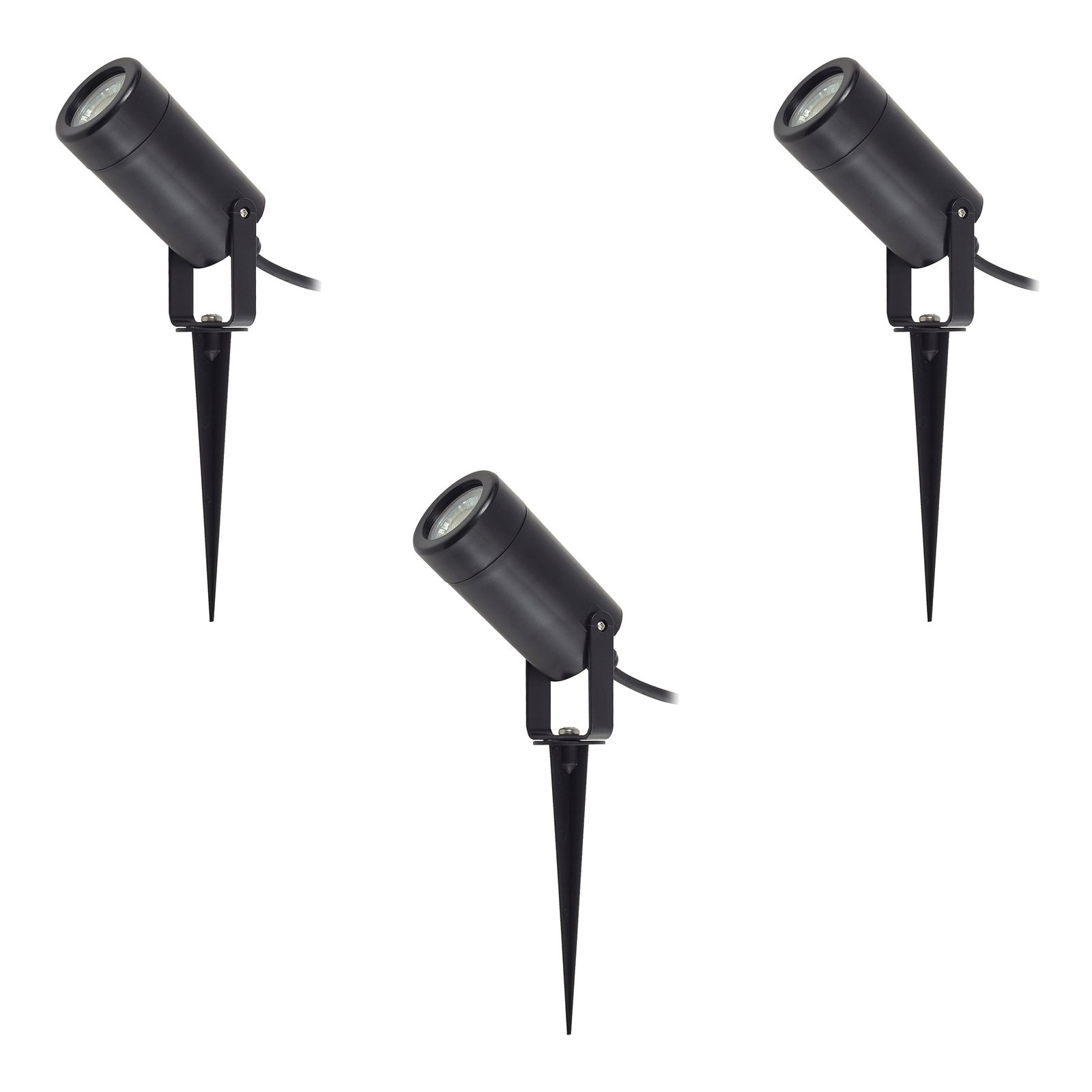
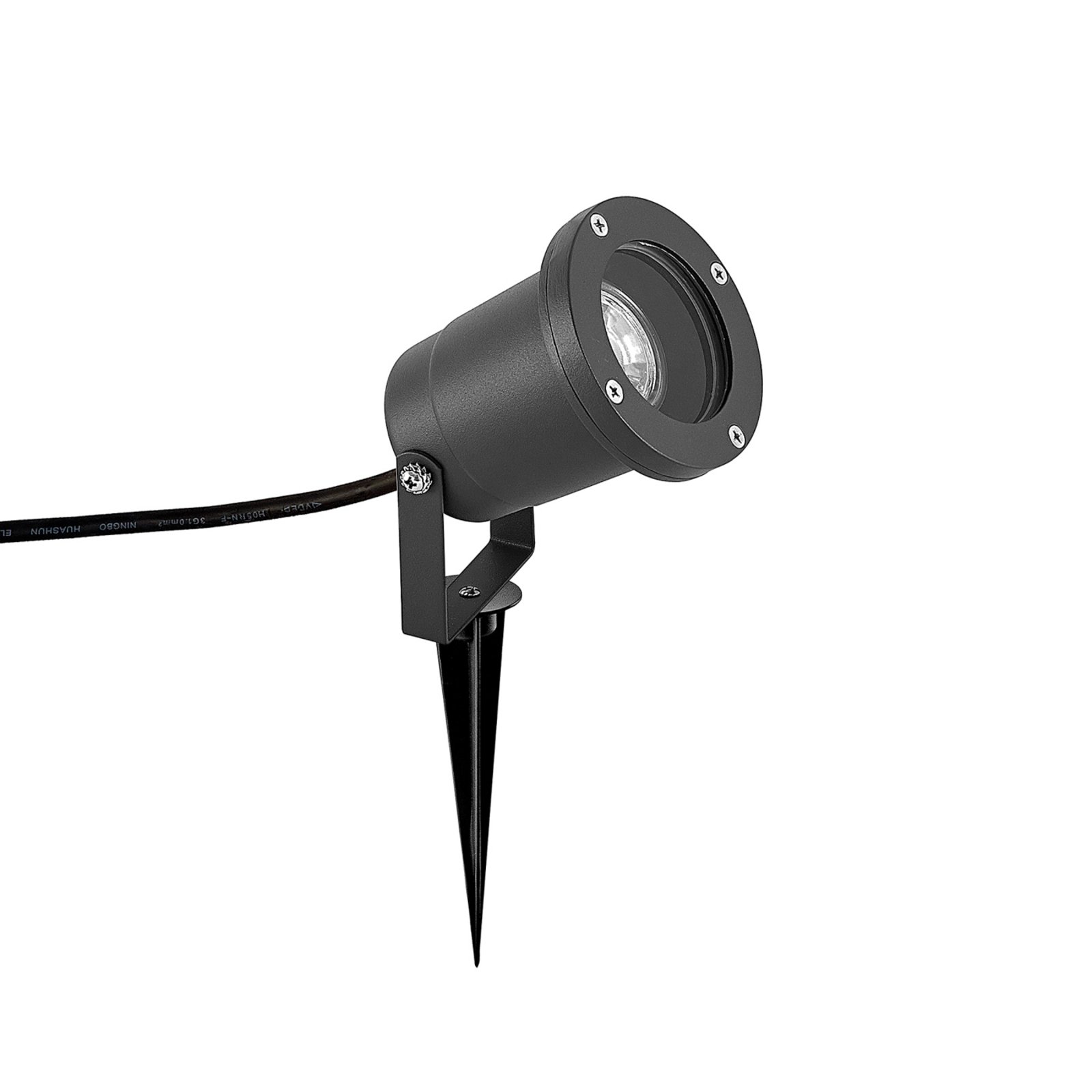
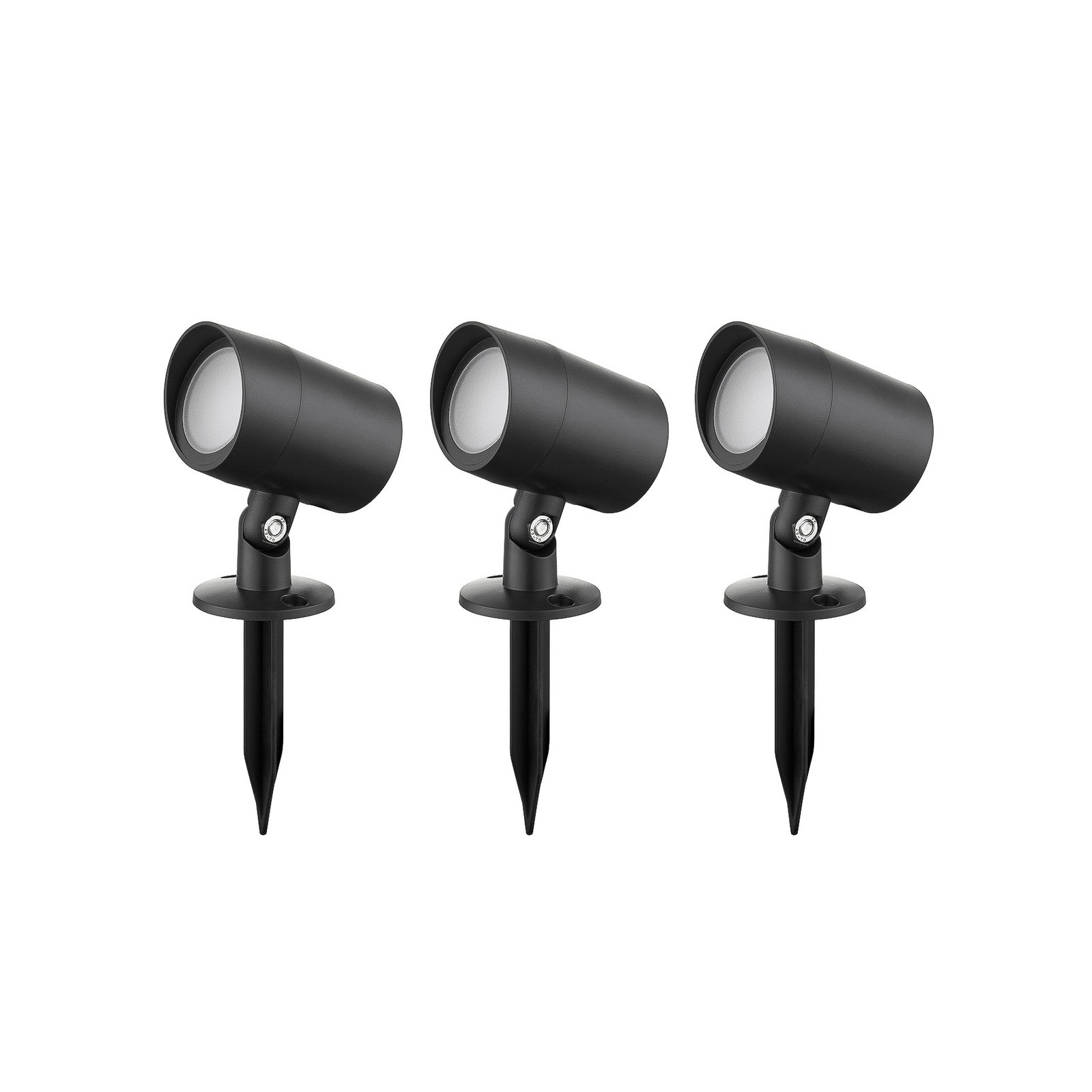
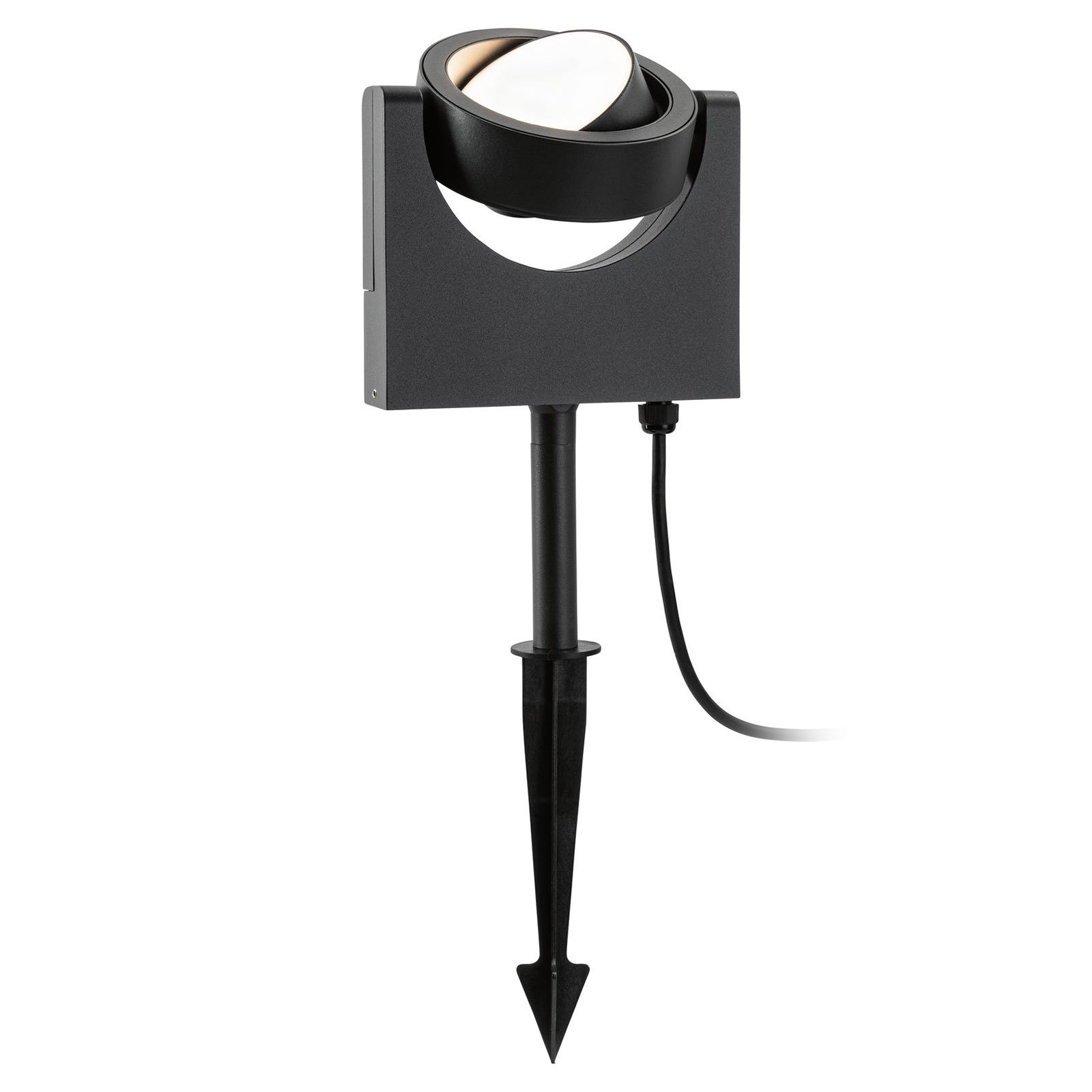
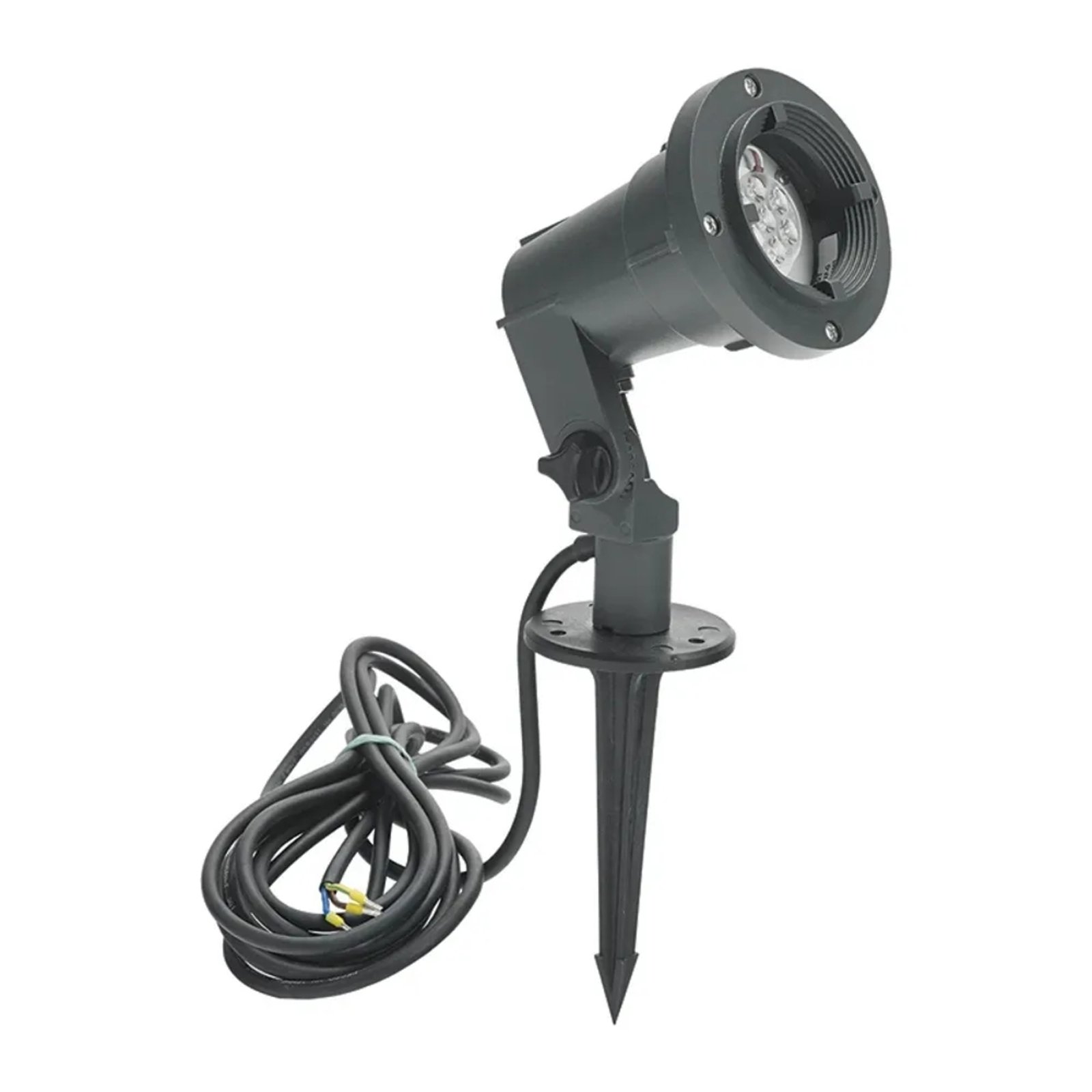
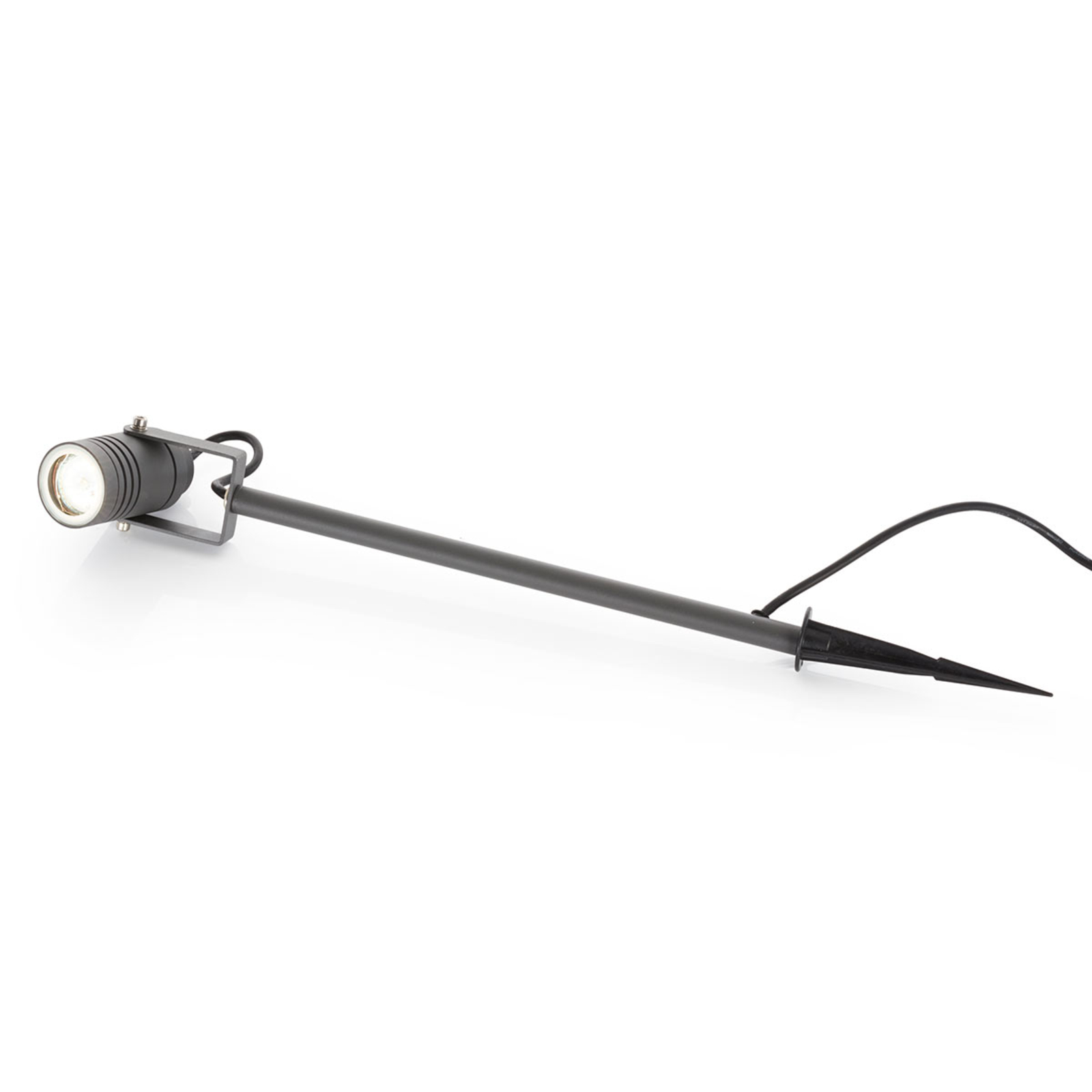
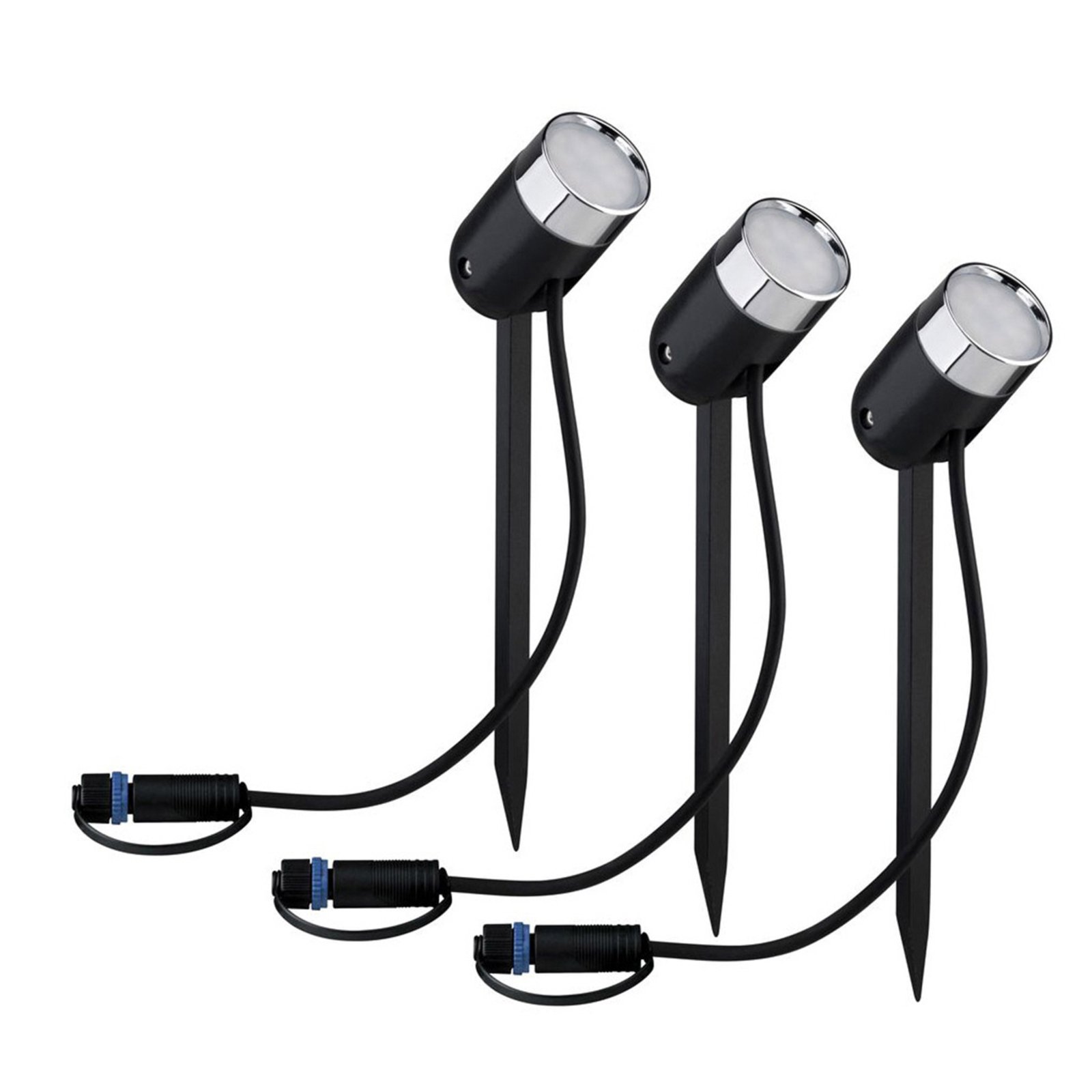
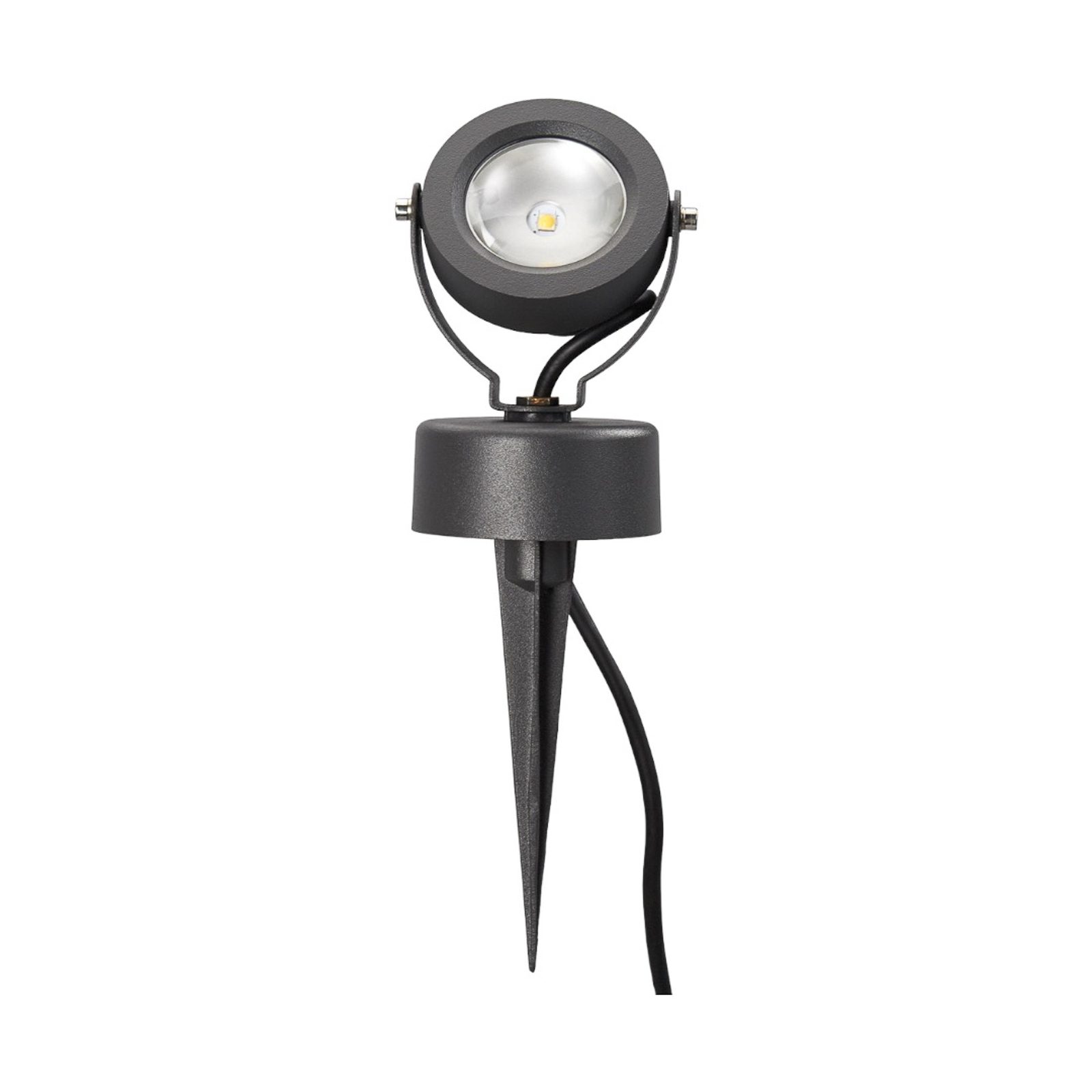
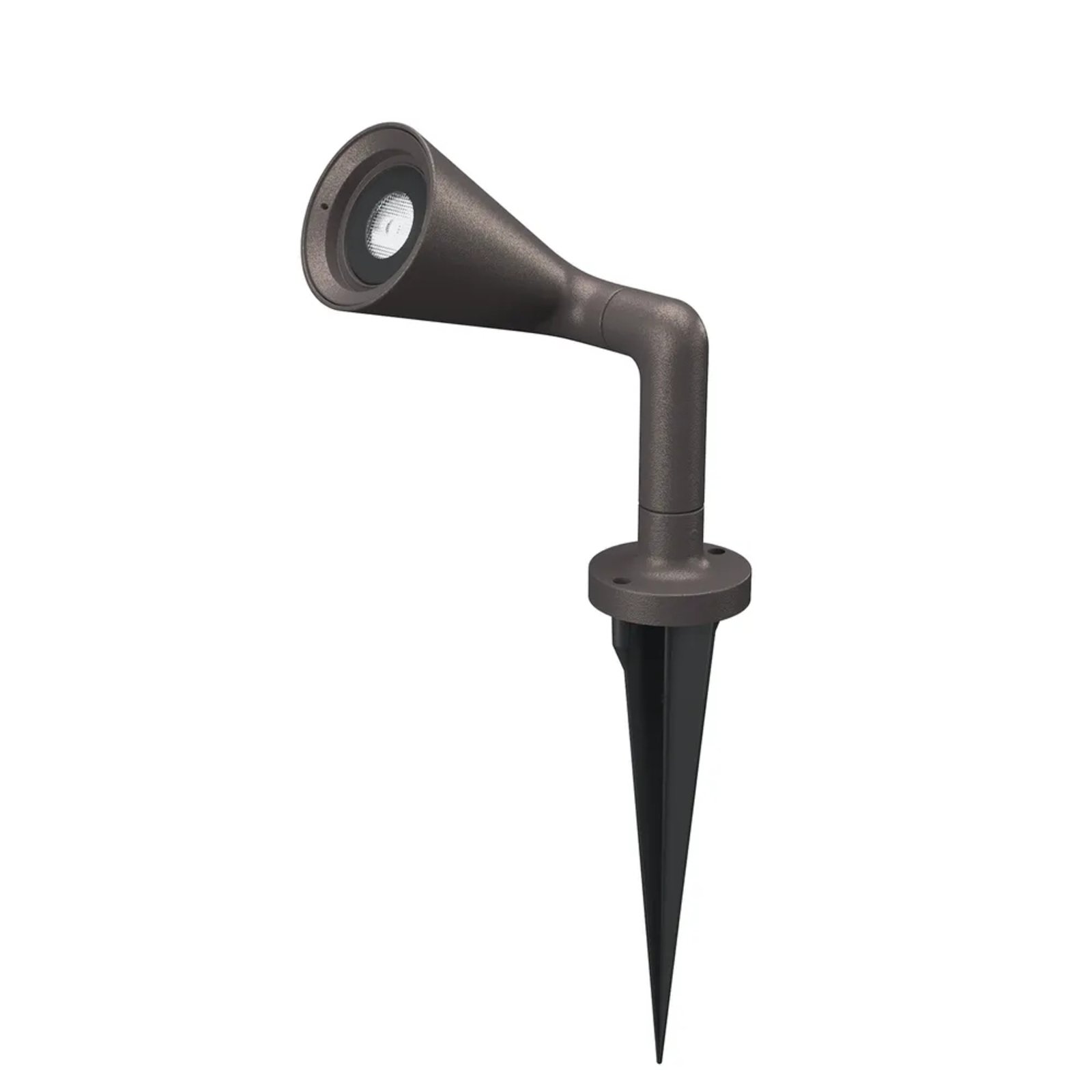
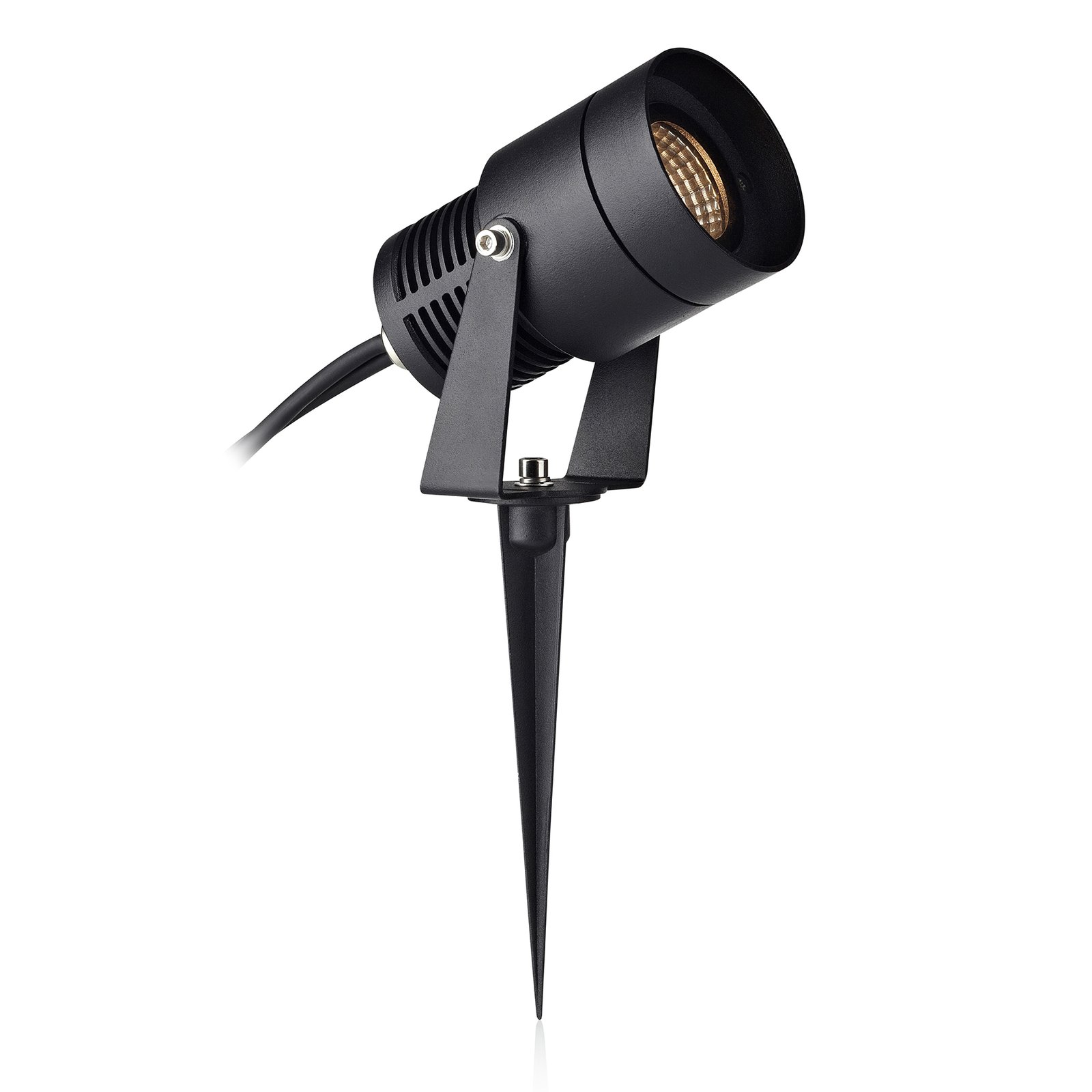
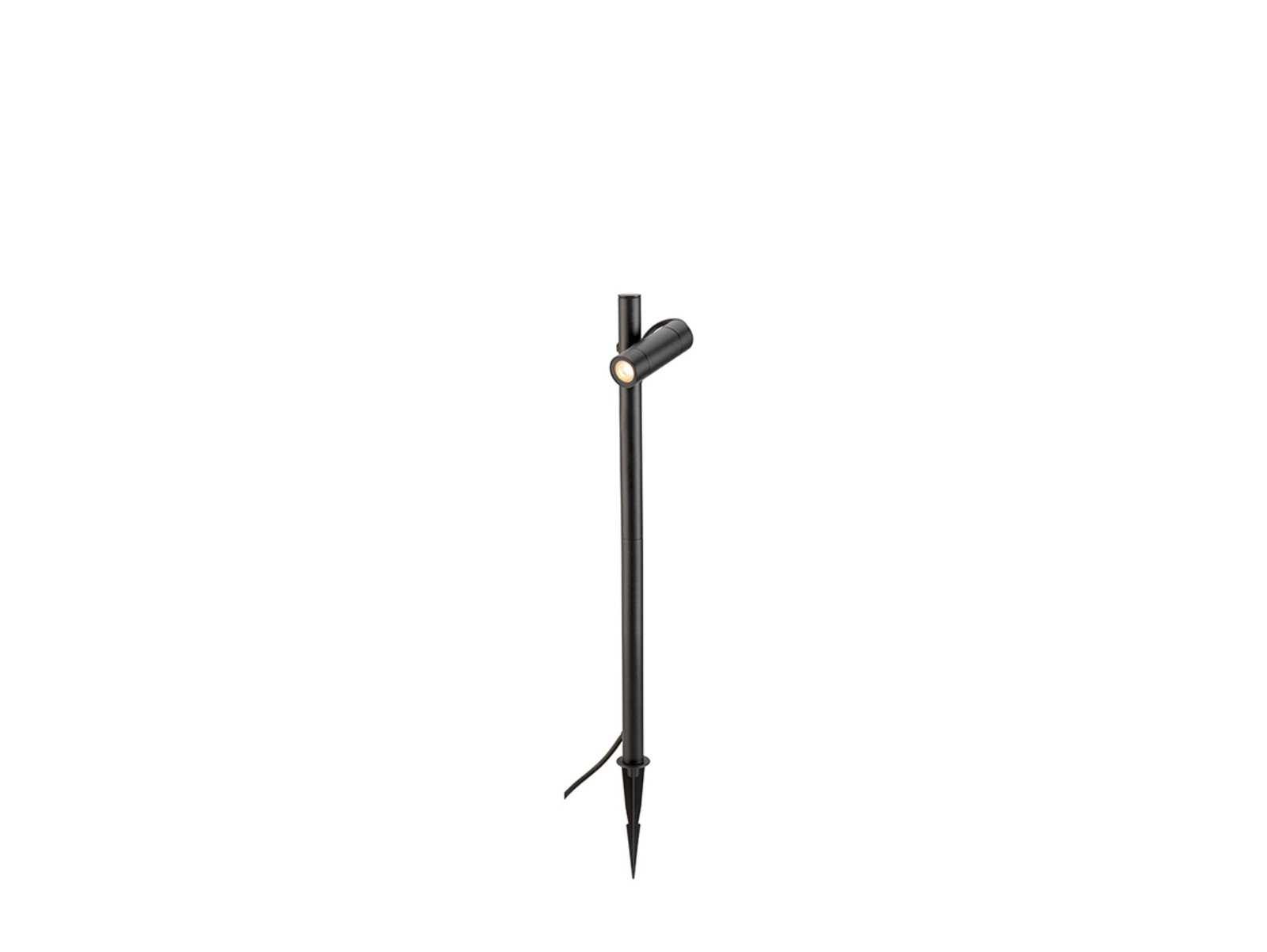
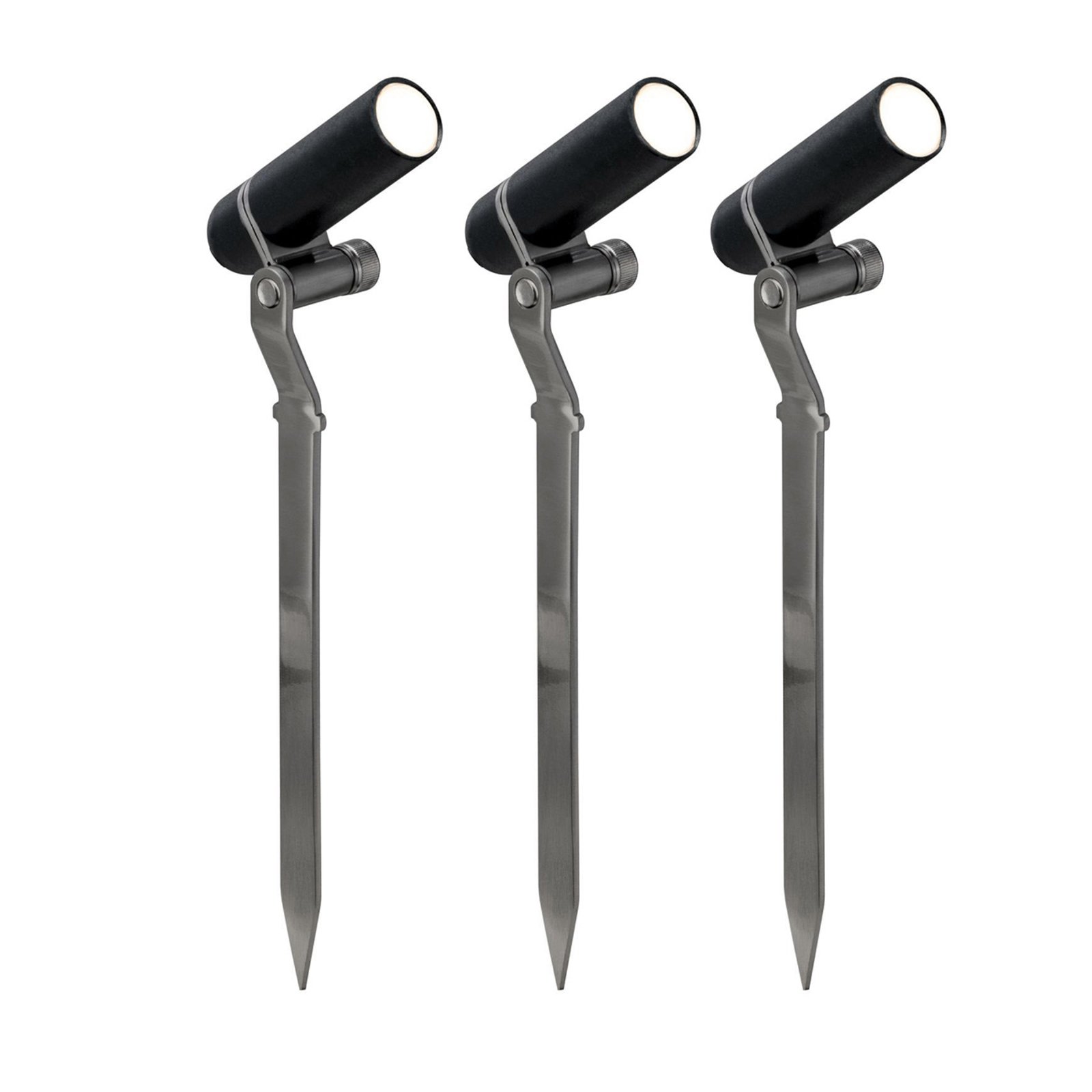
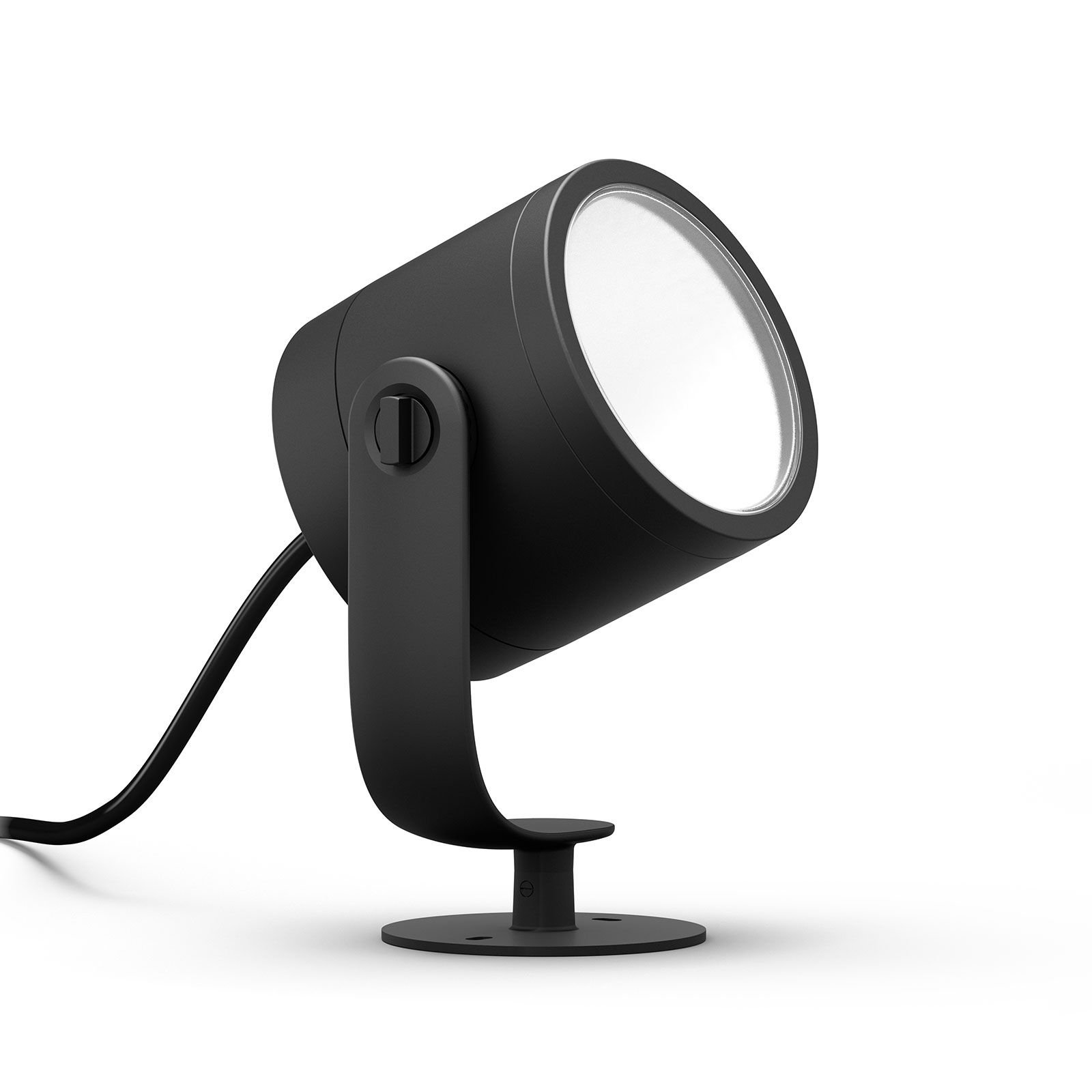
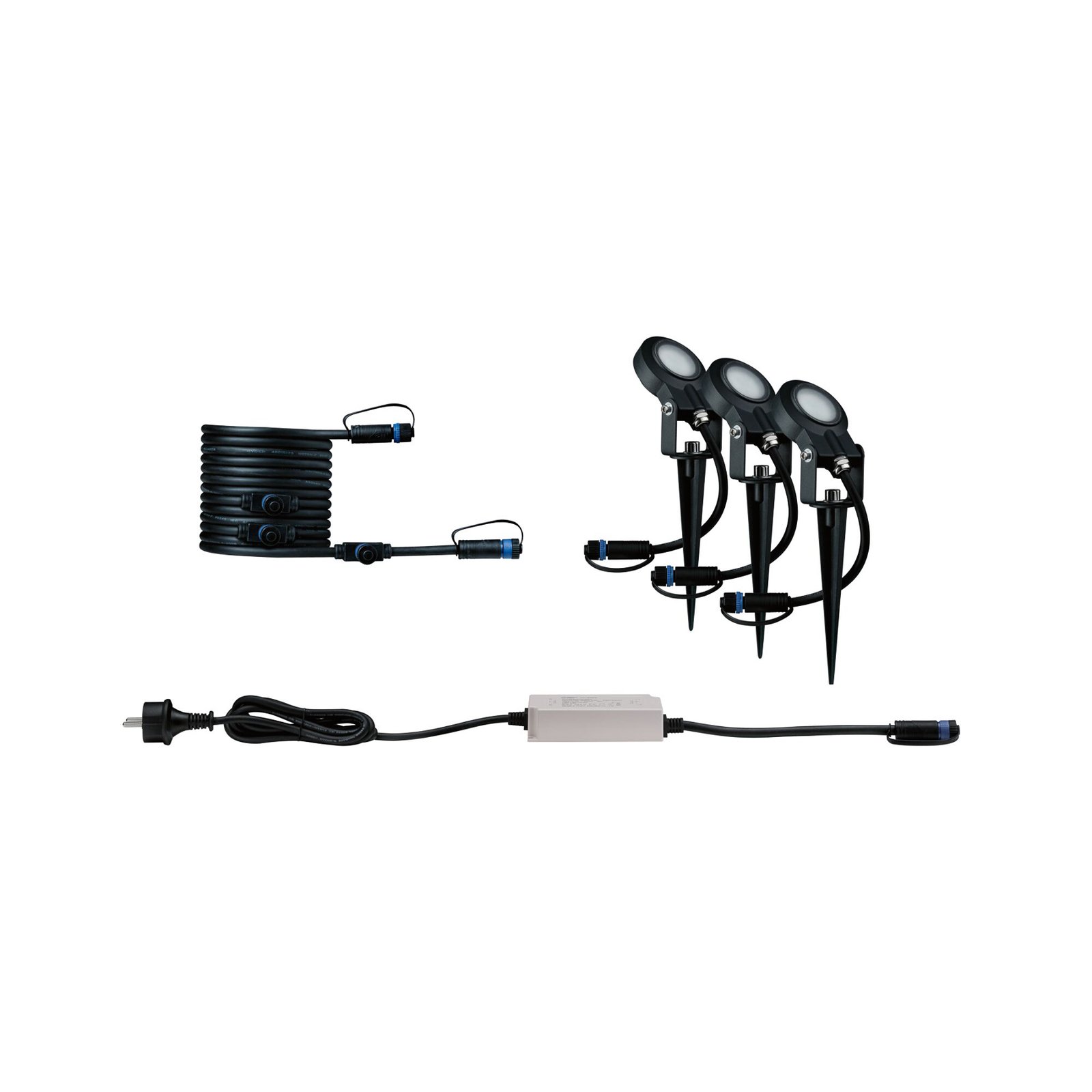
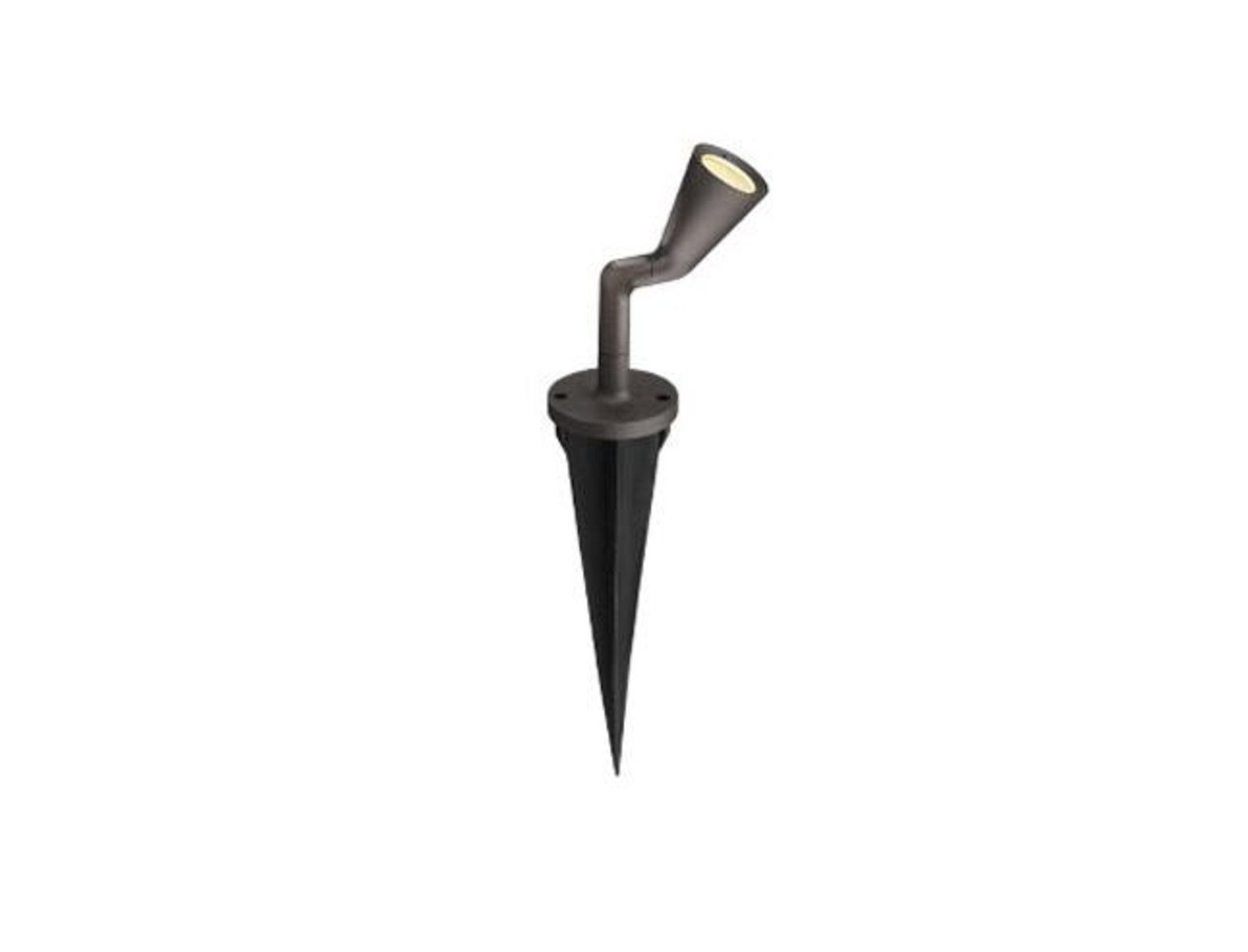
Ground spike spotlights for targeted accents and a clear depth effect
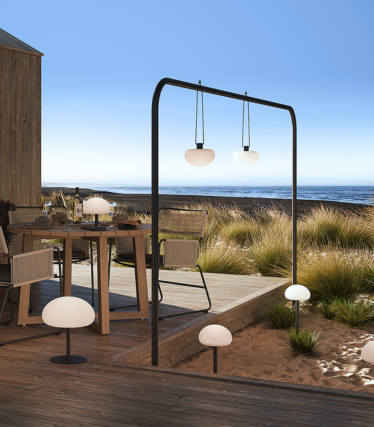
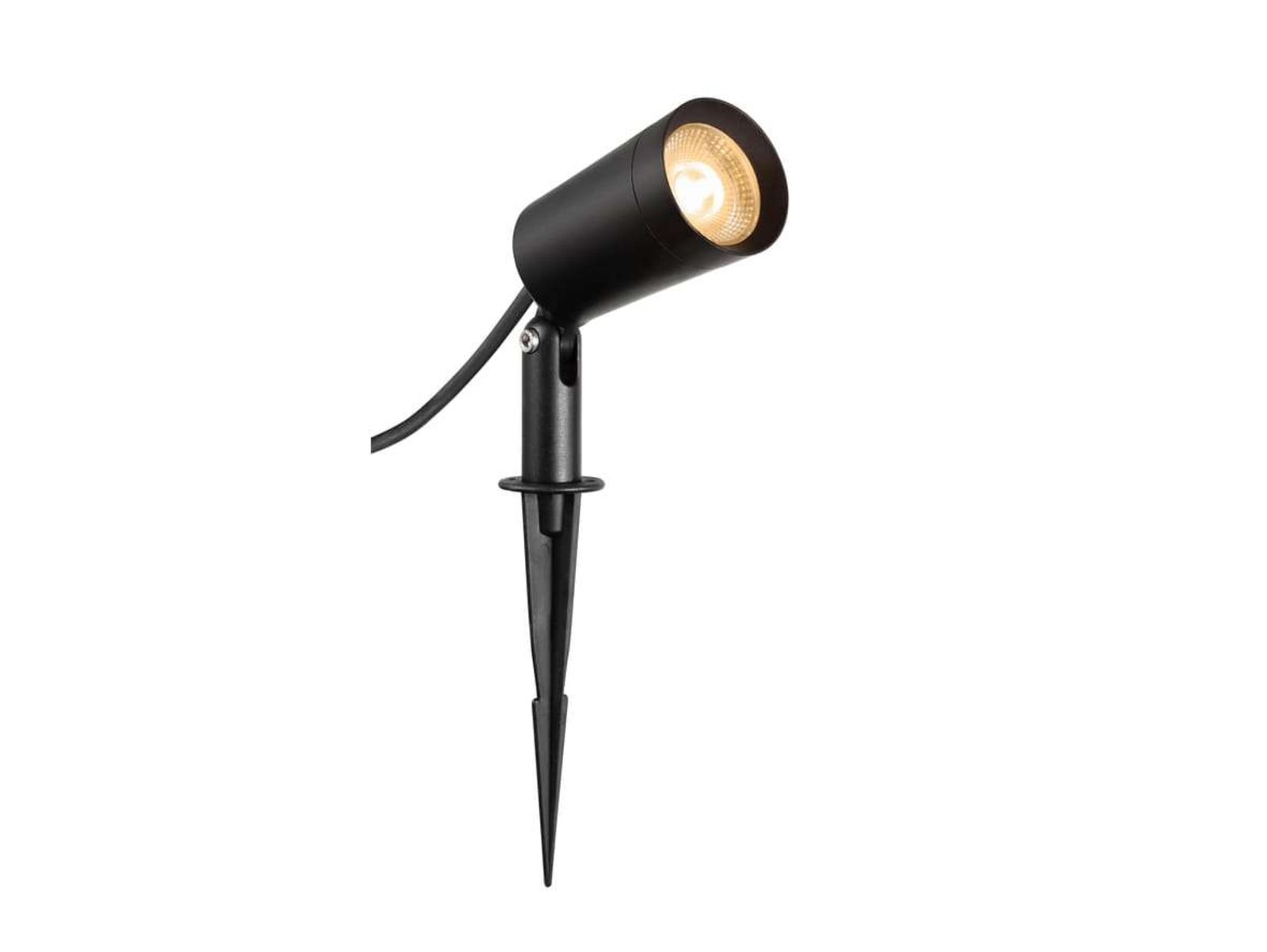
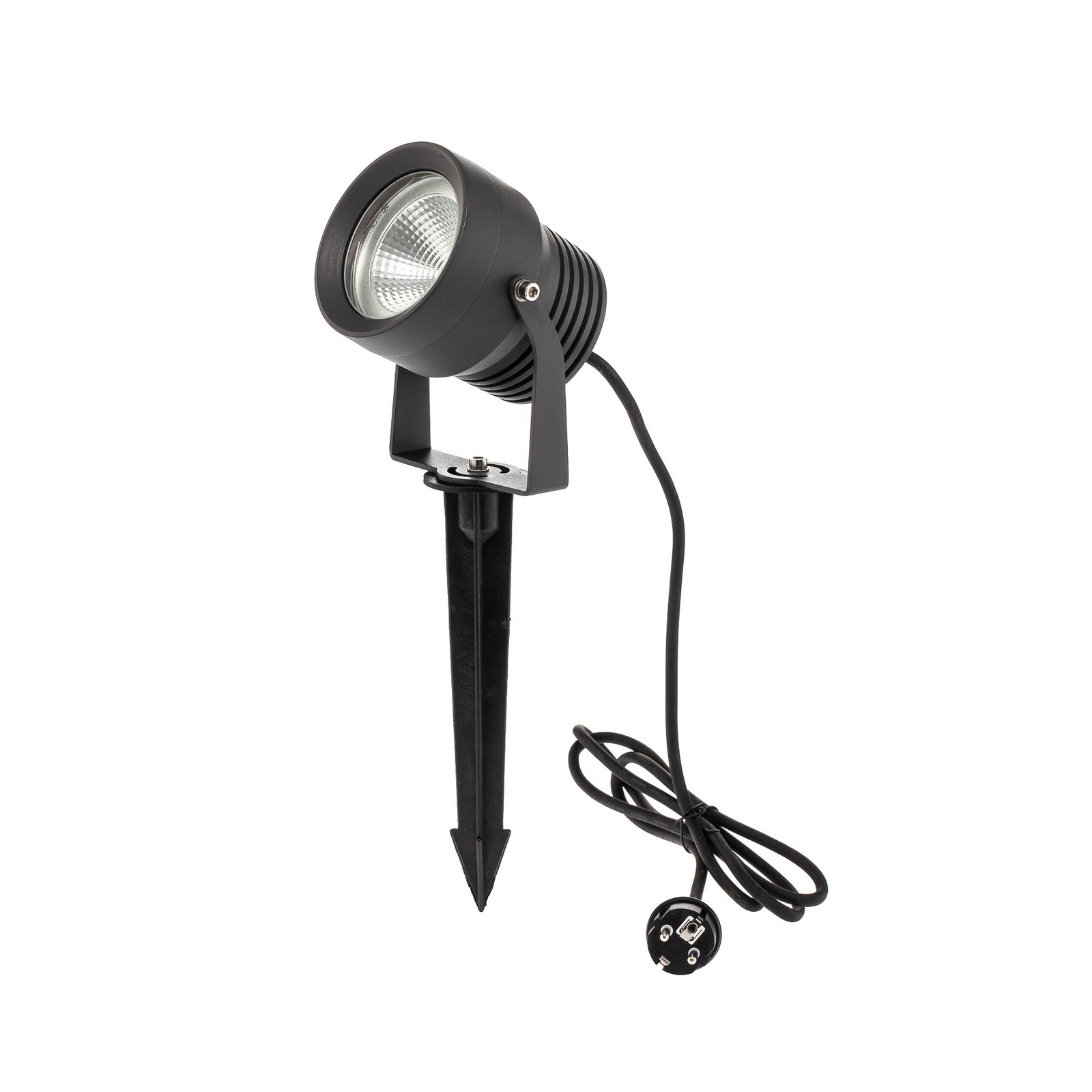
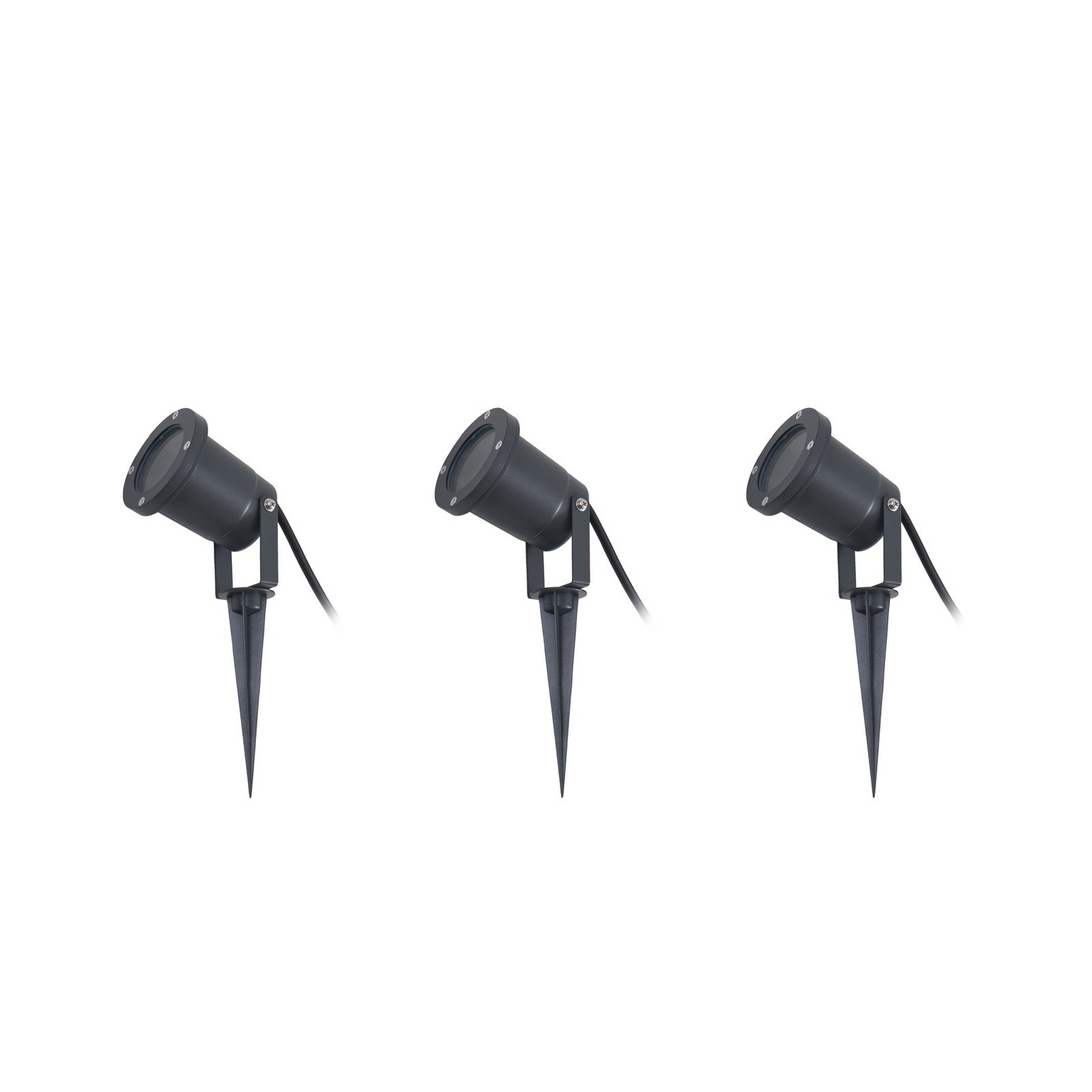
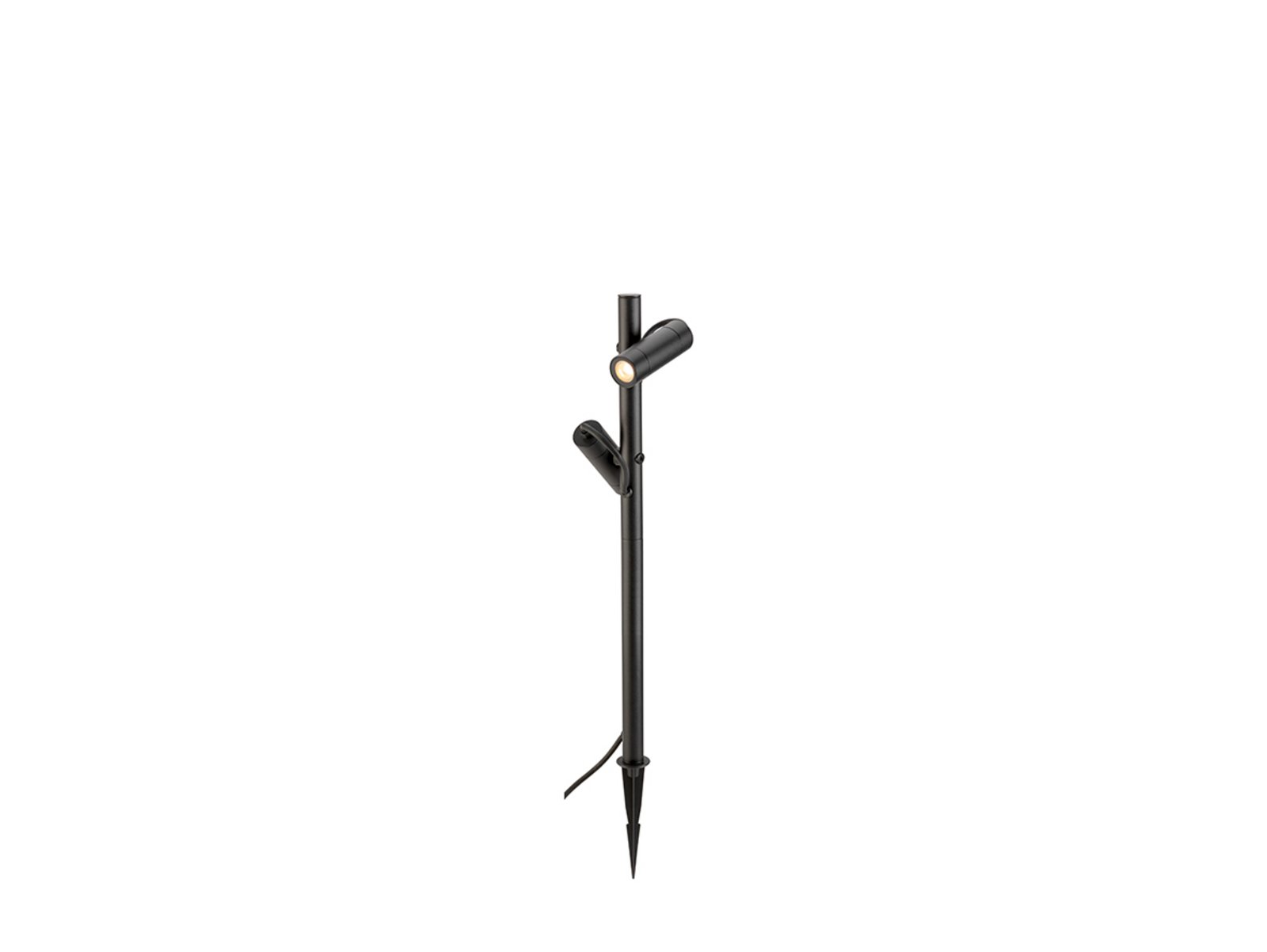
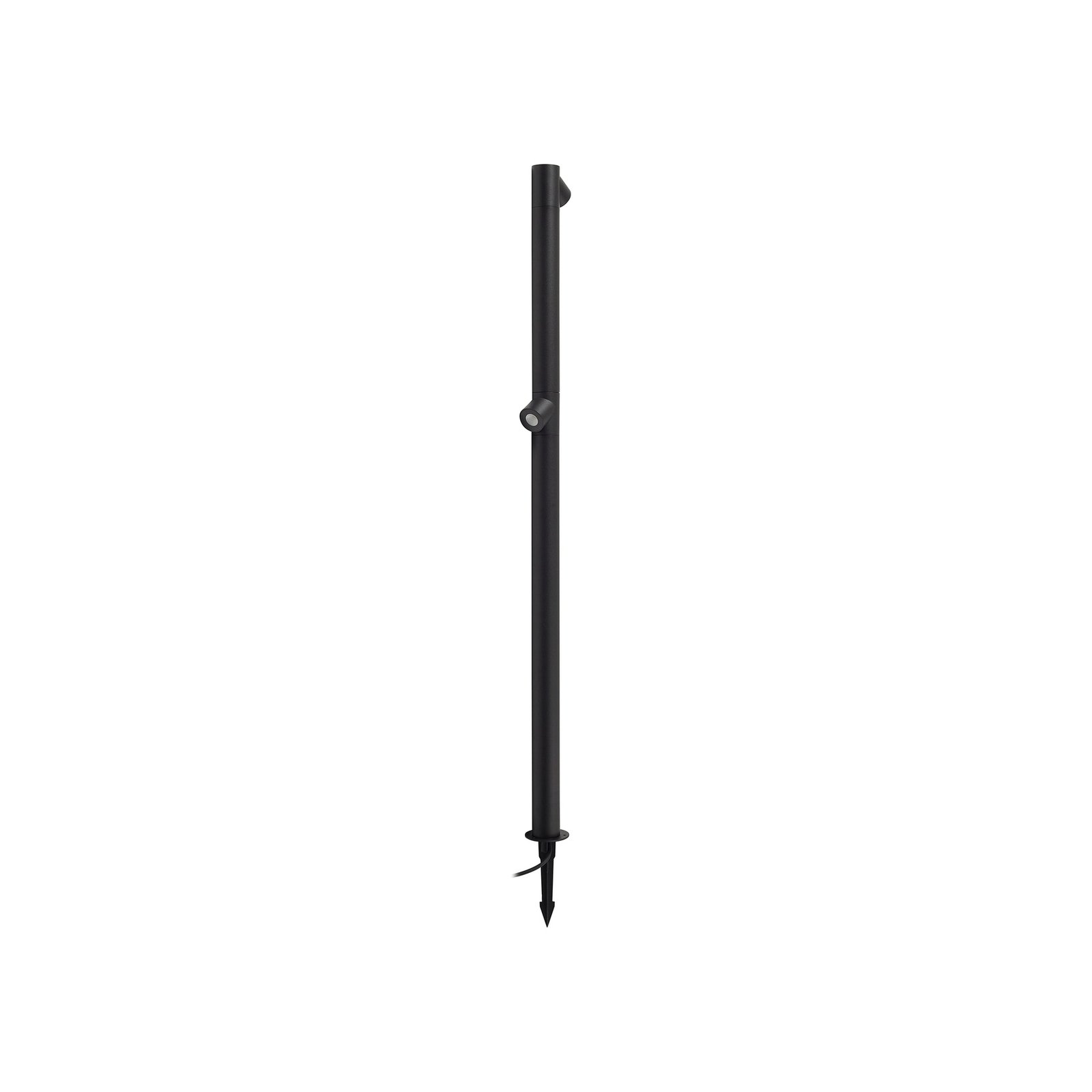
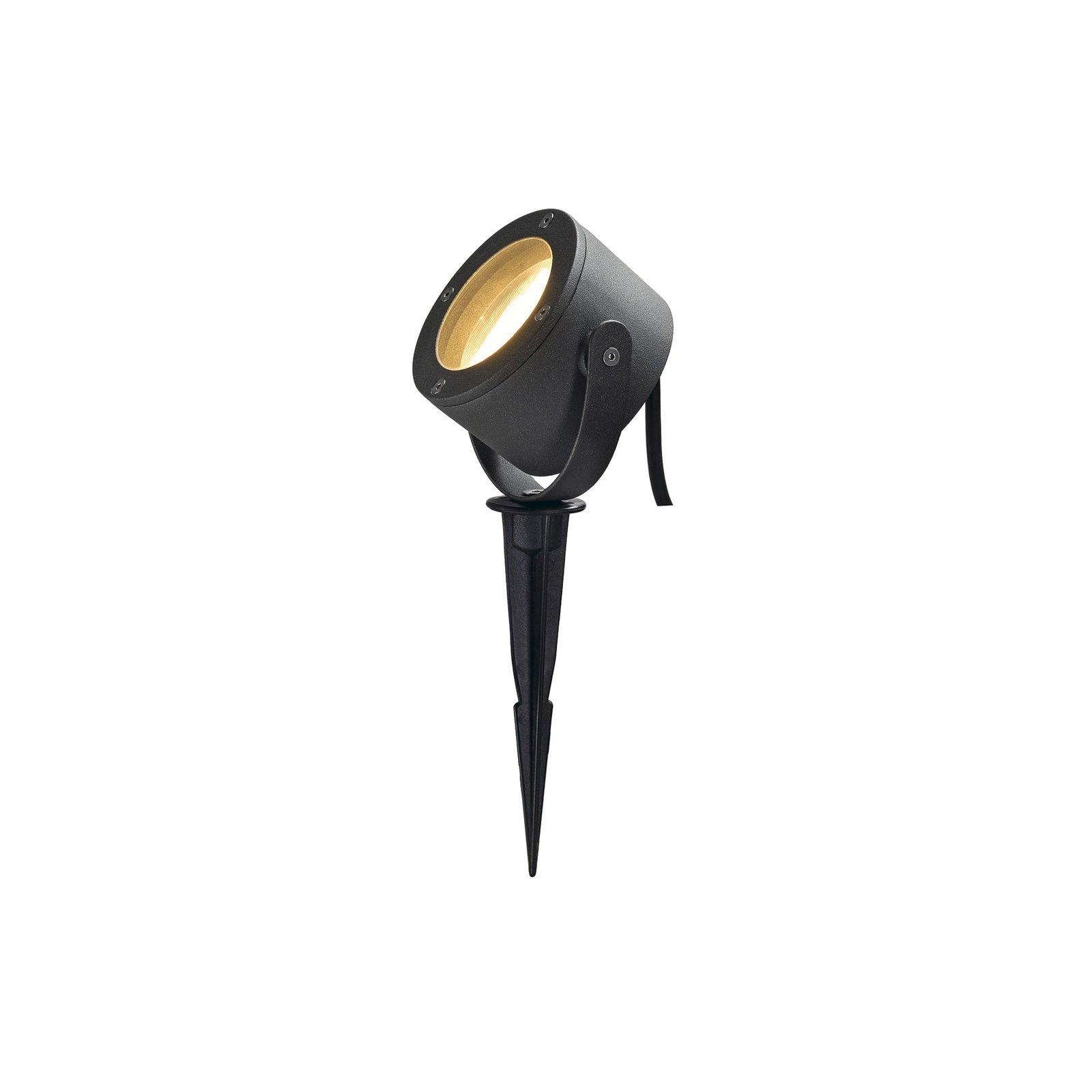
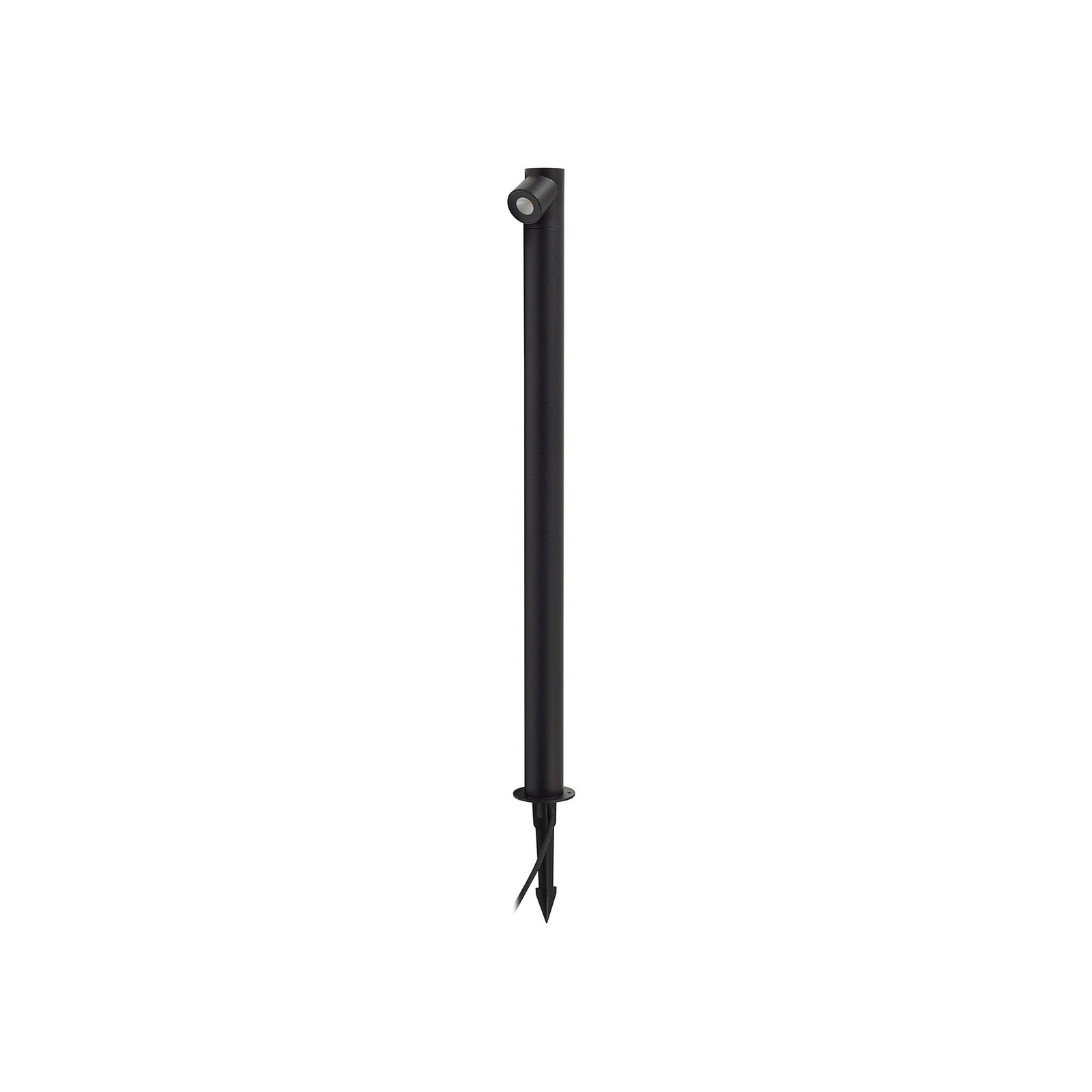
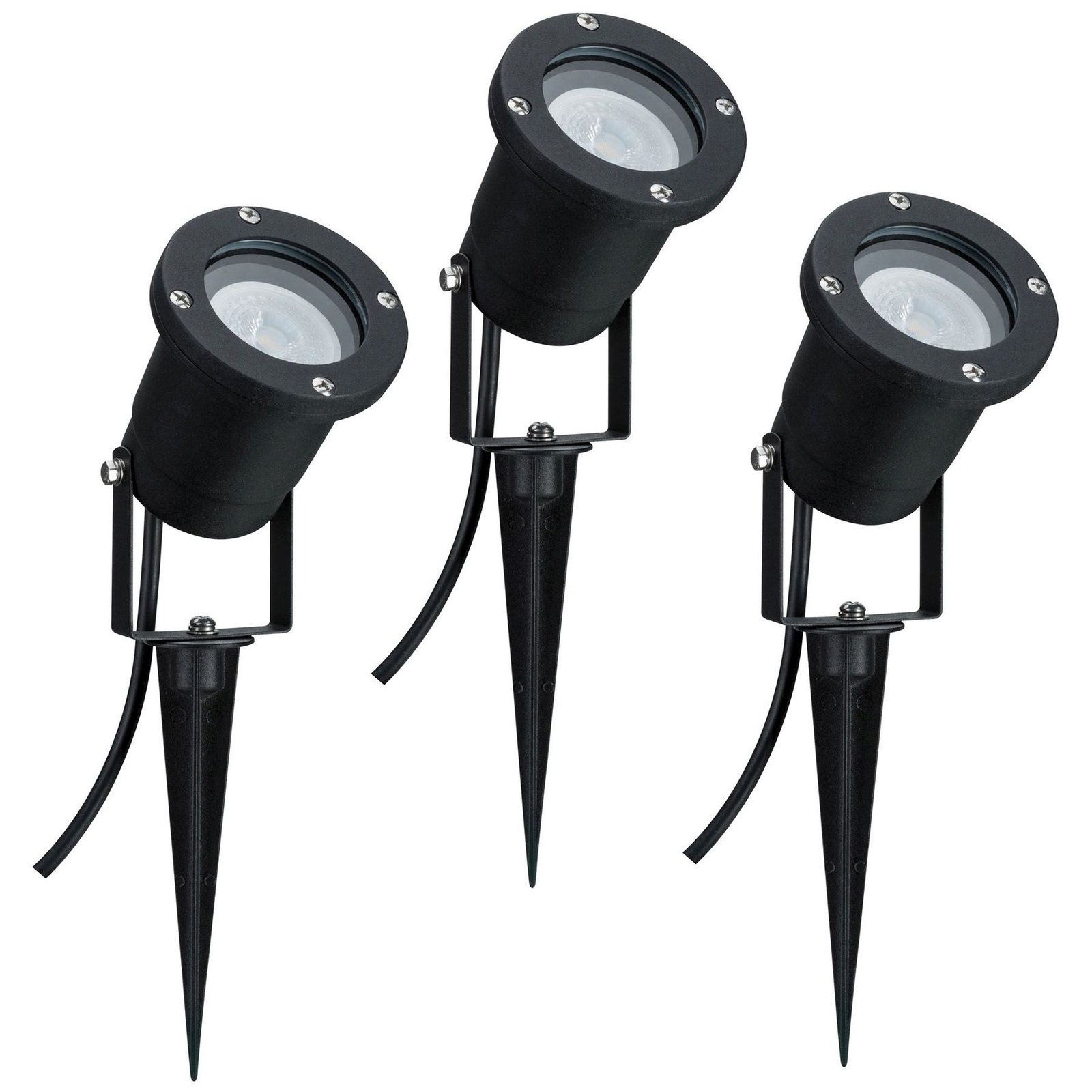
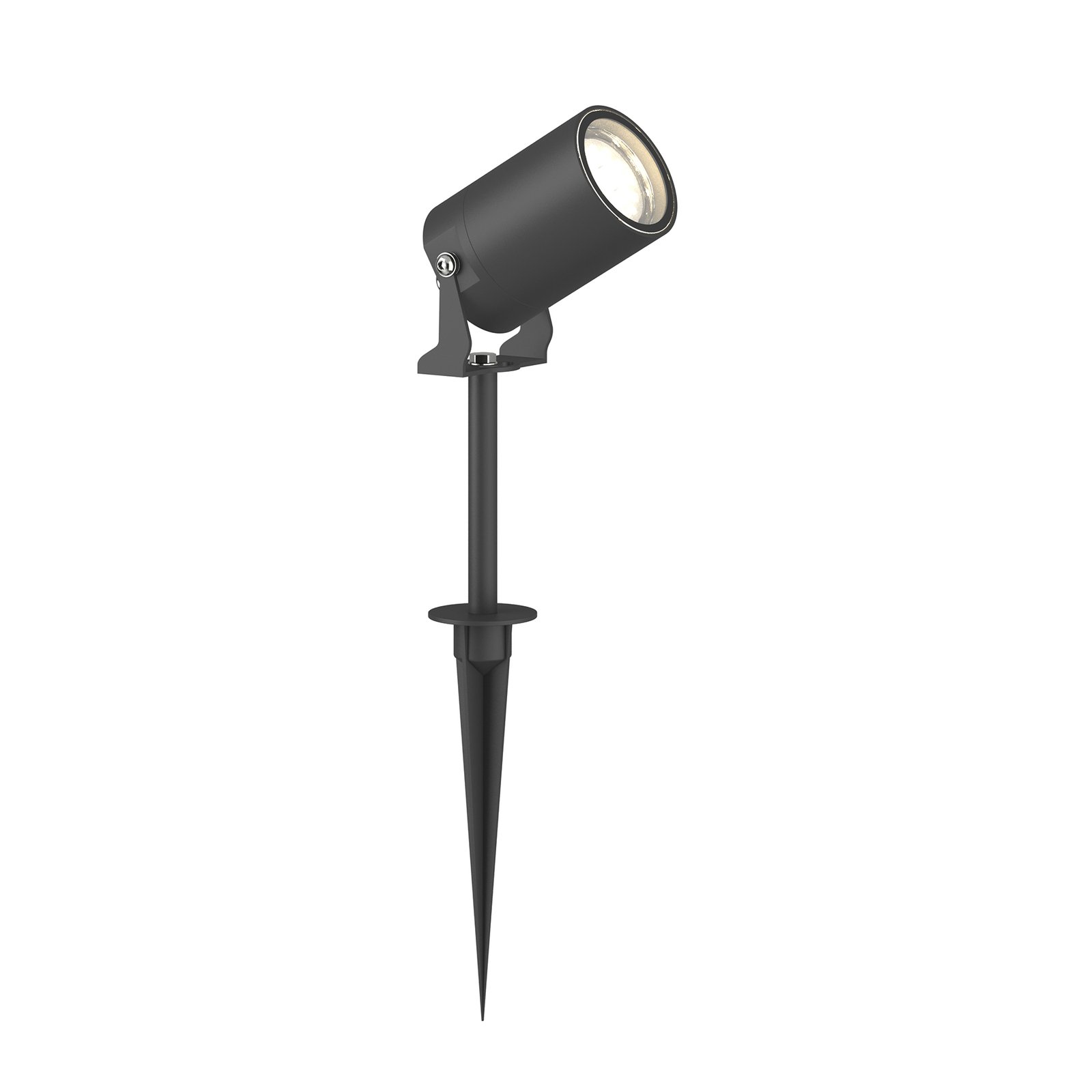
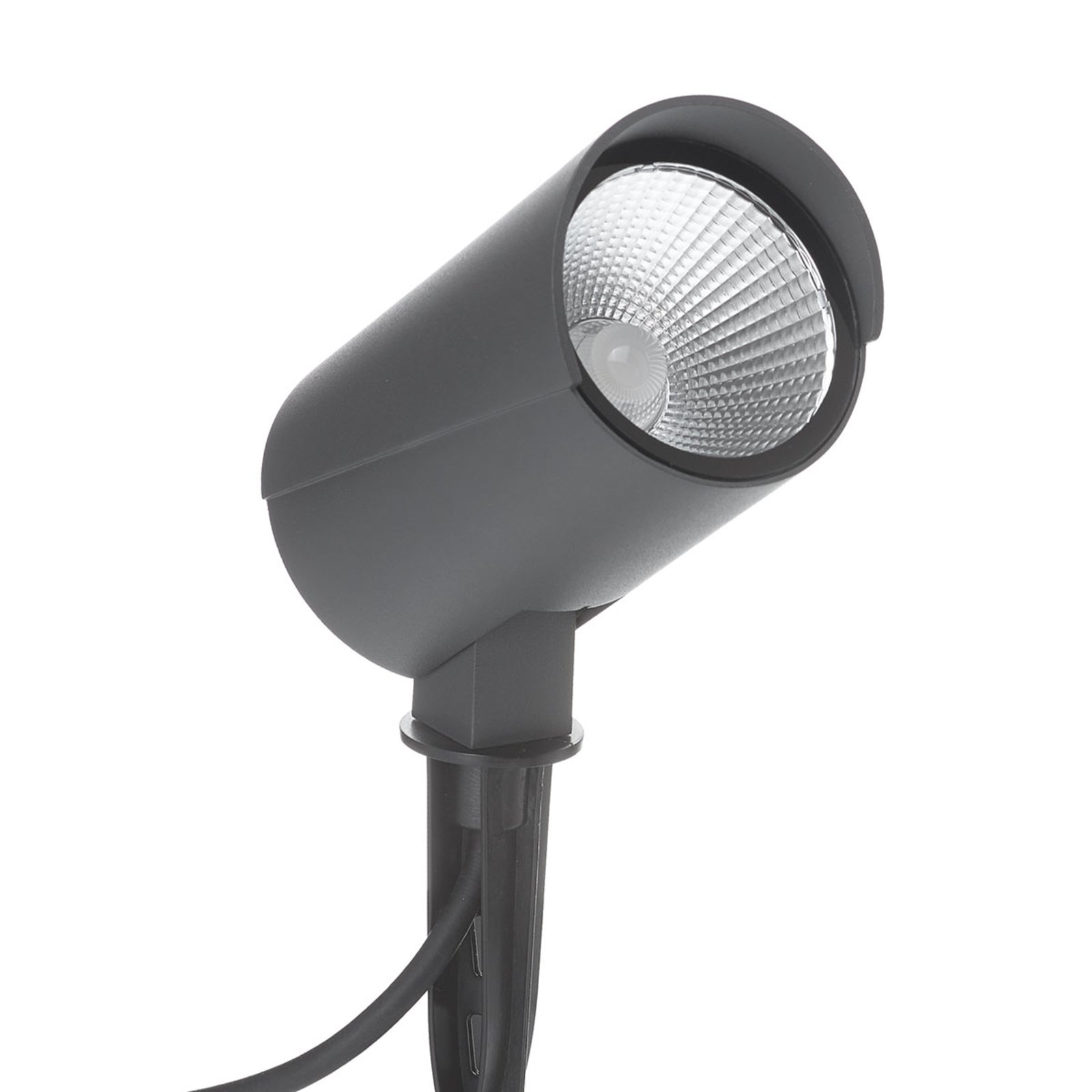
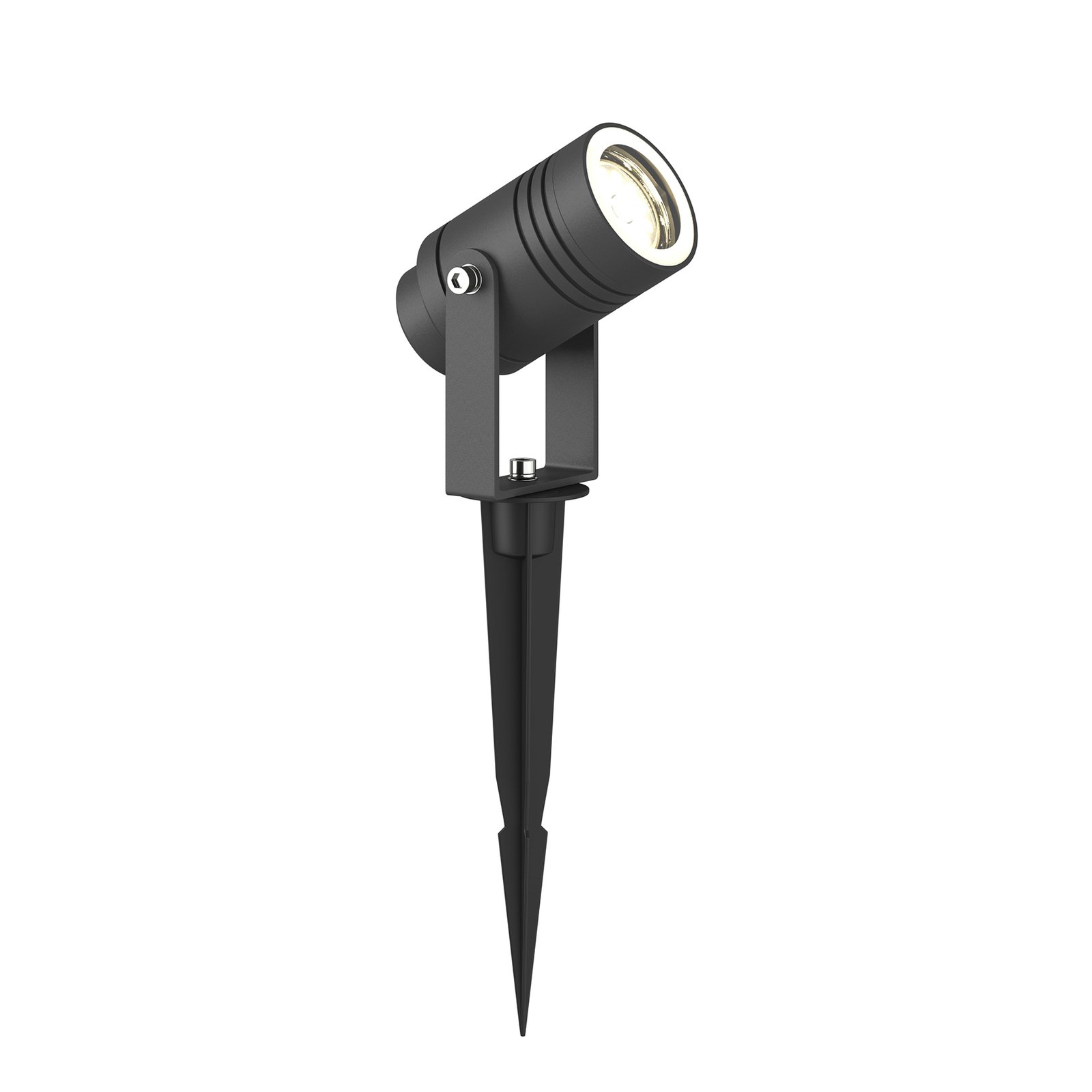
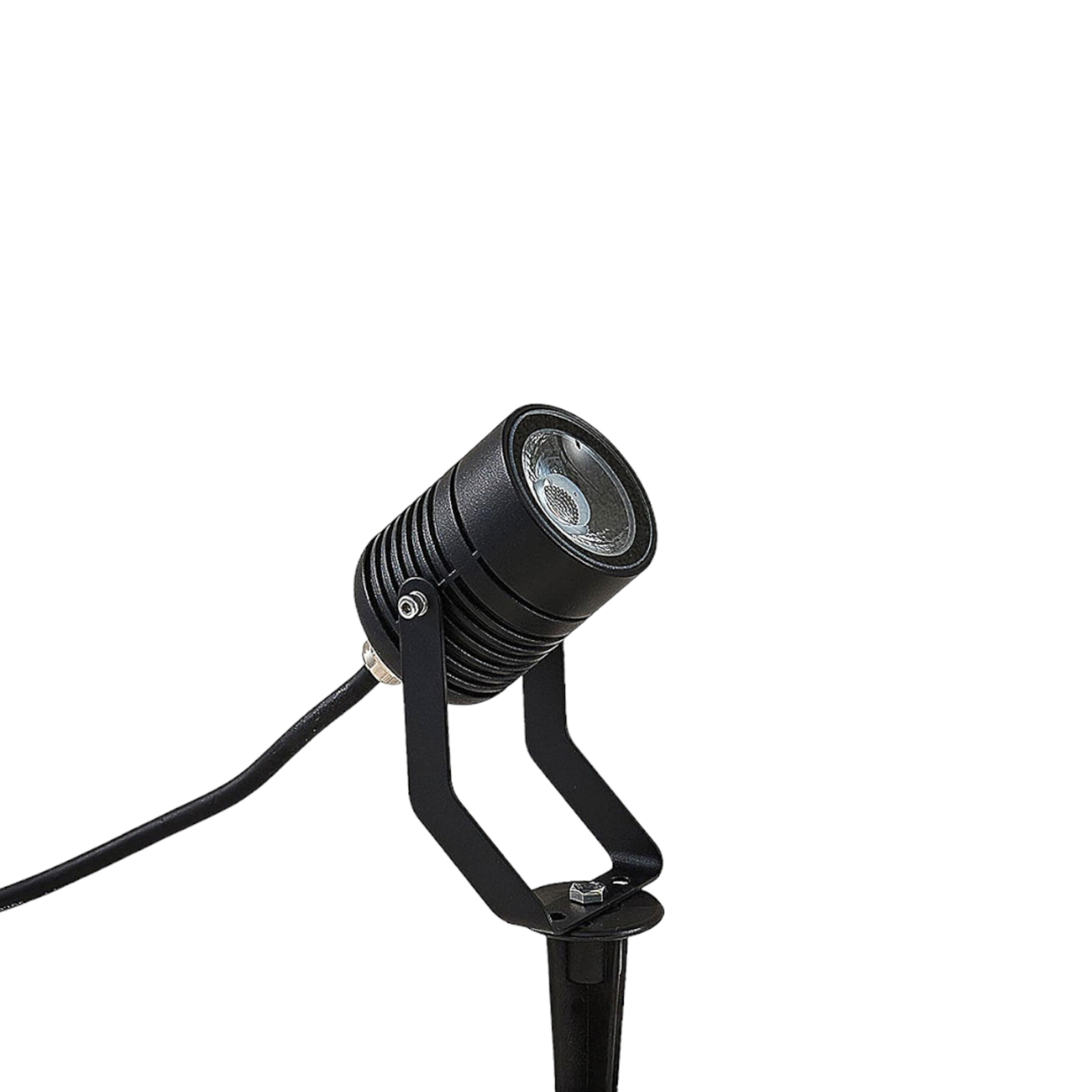
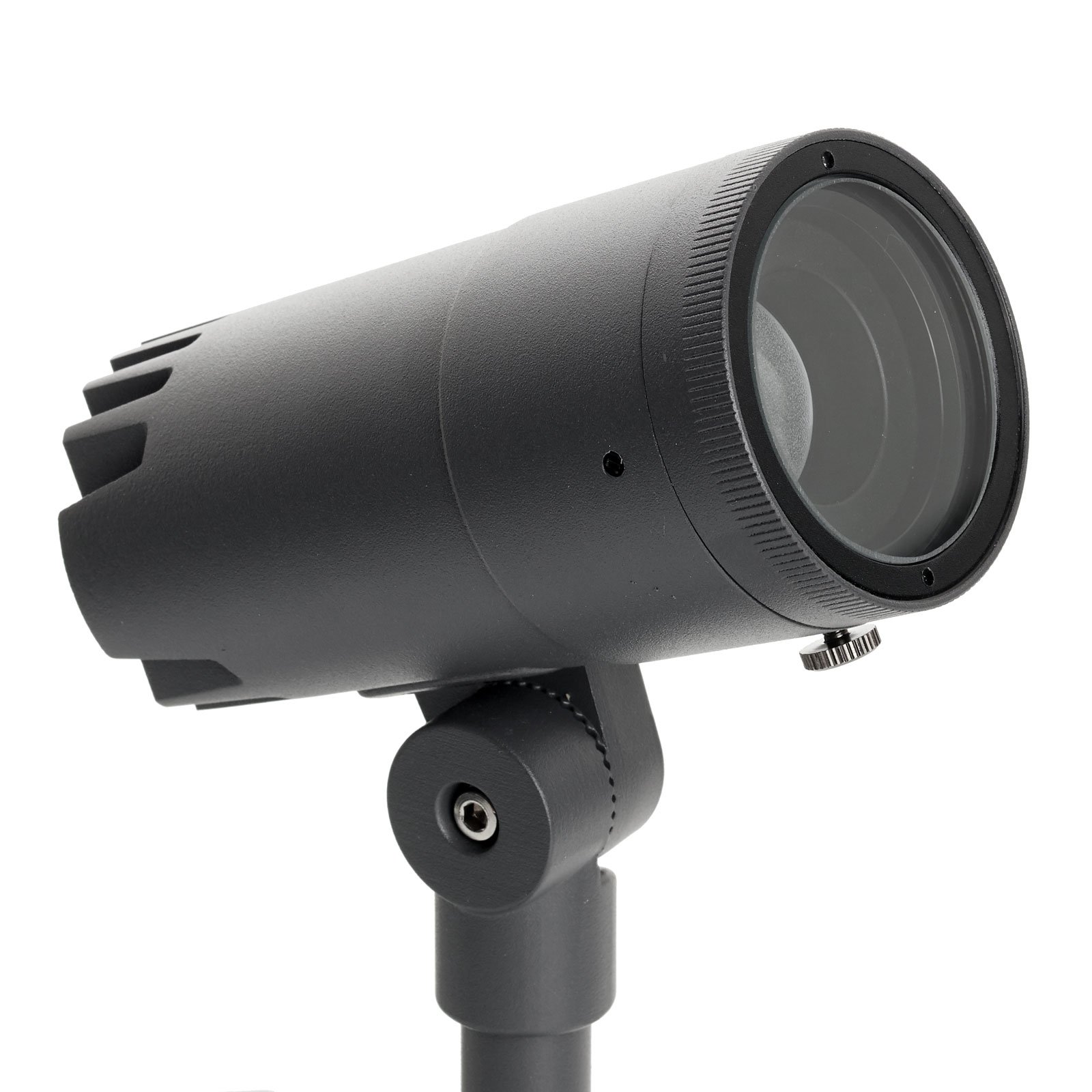
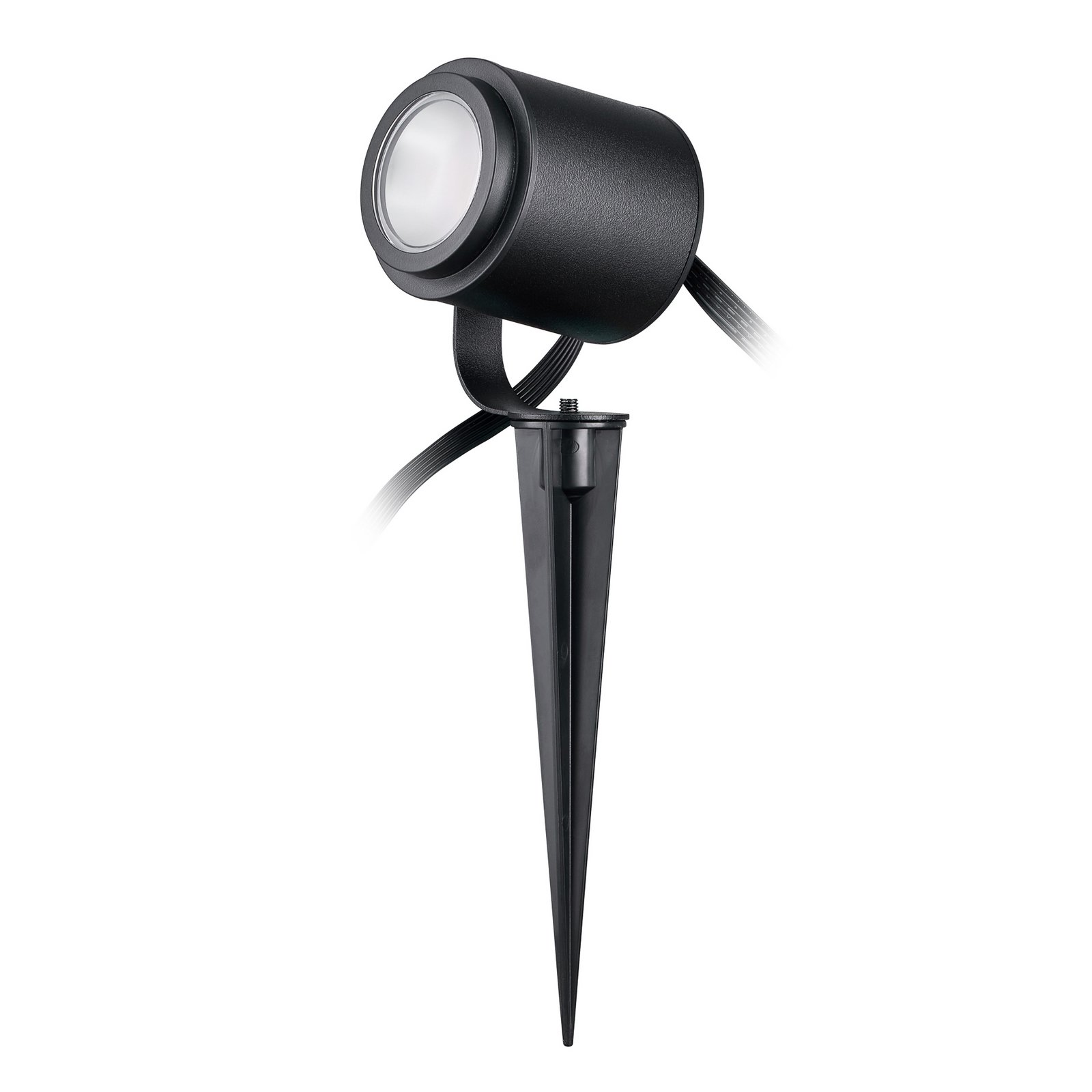
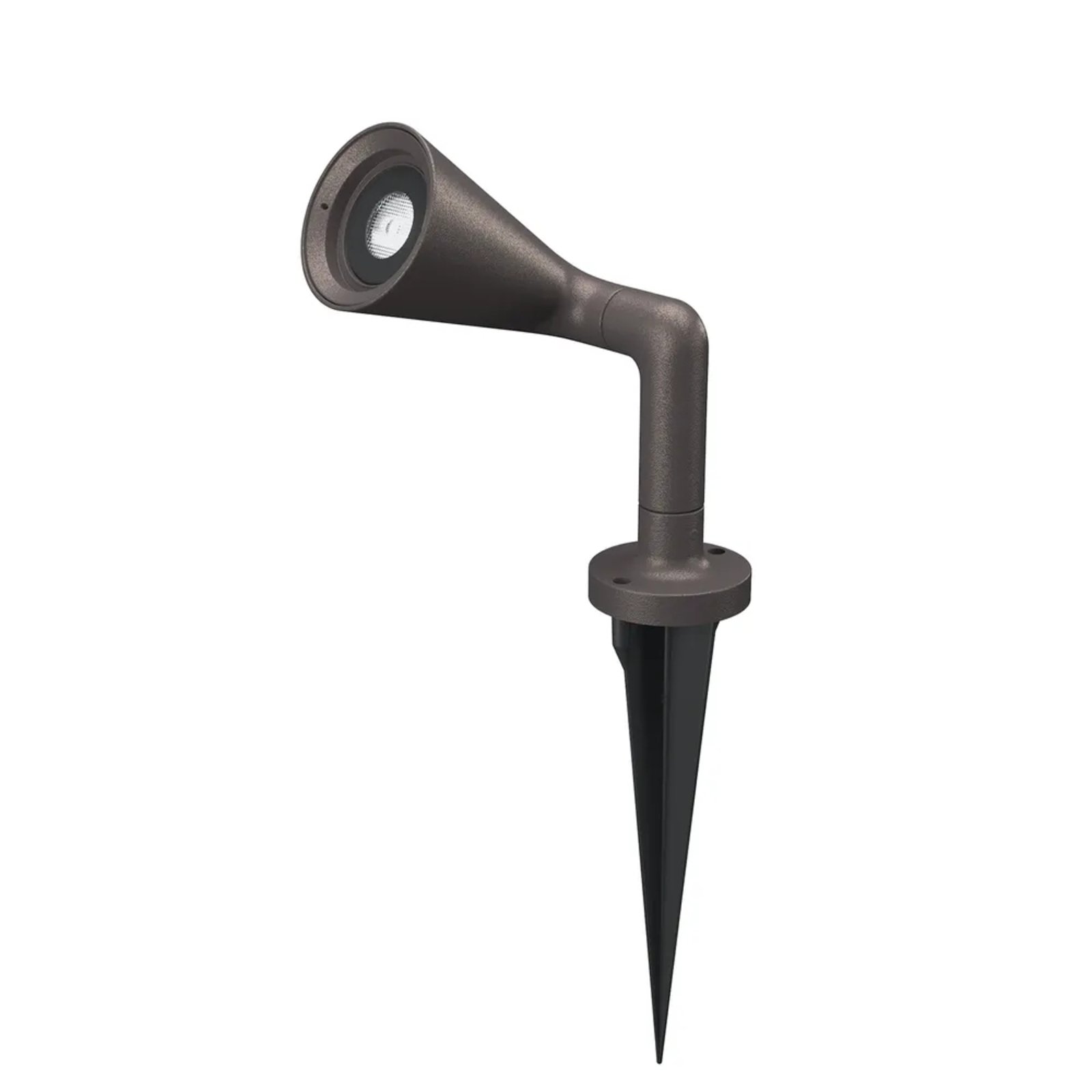
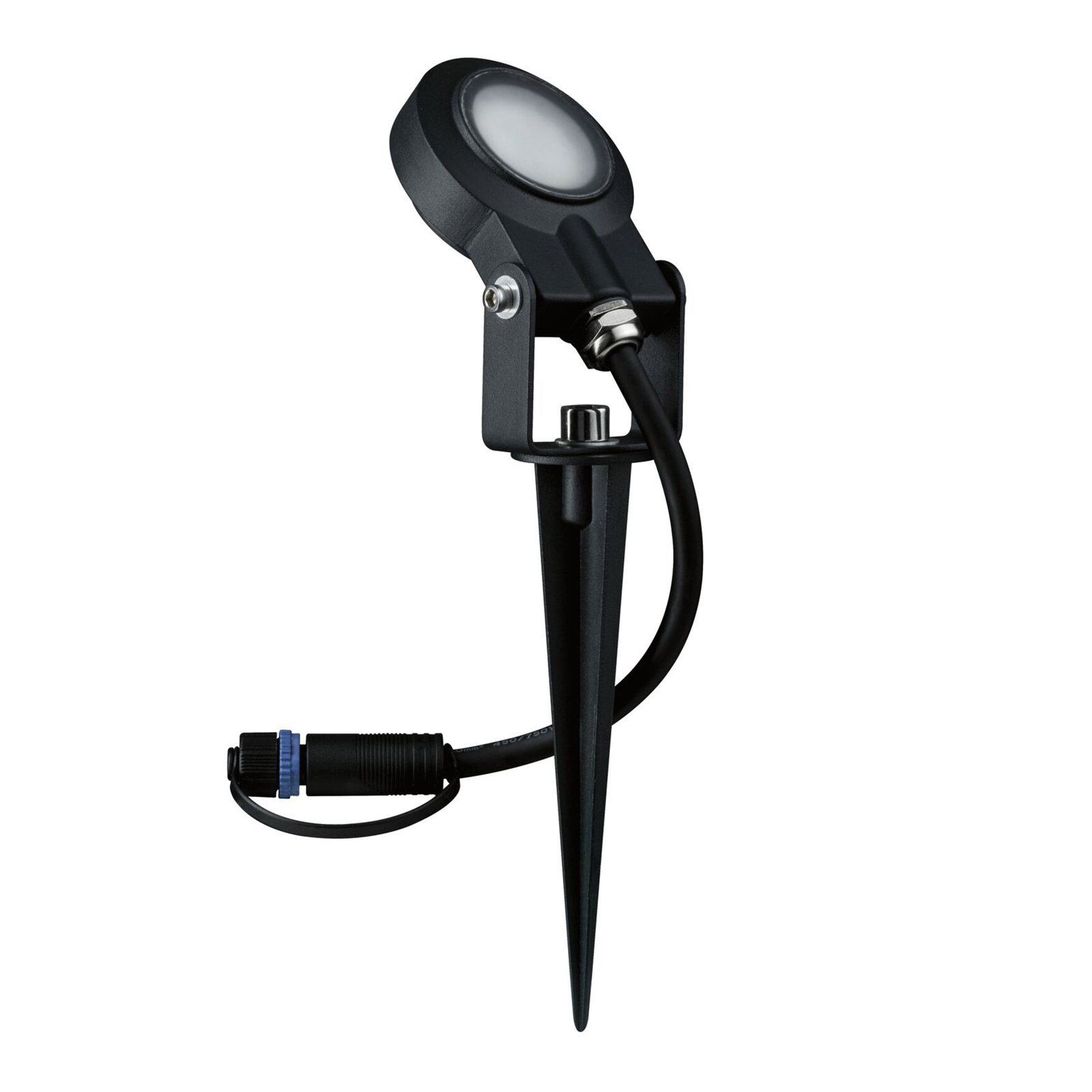
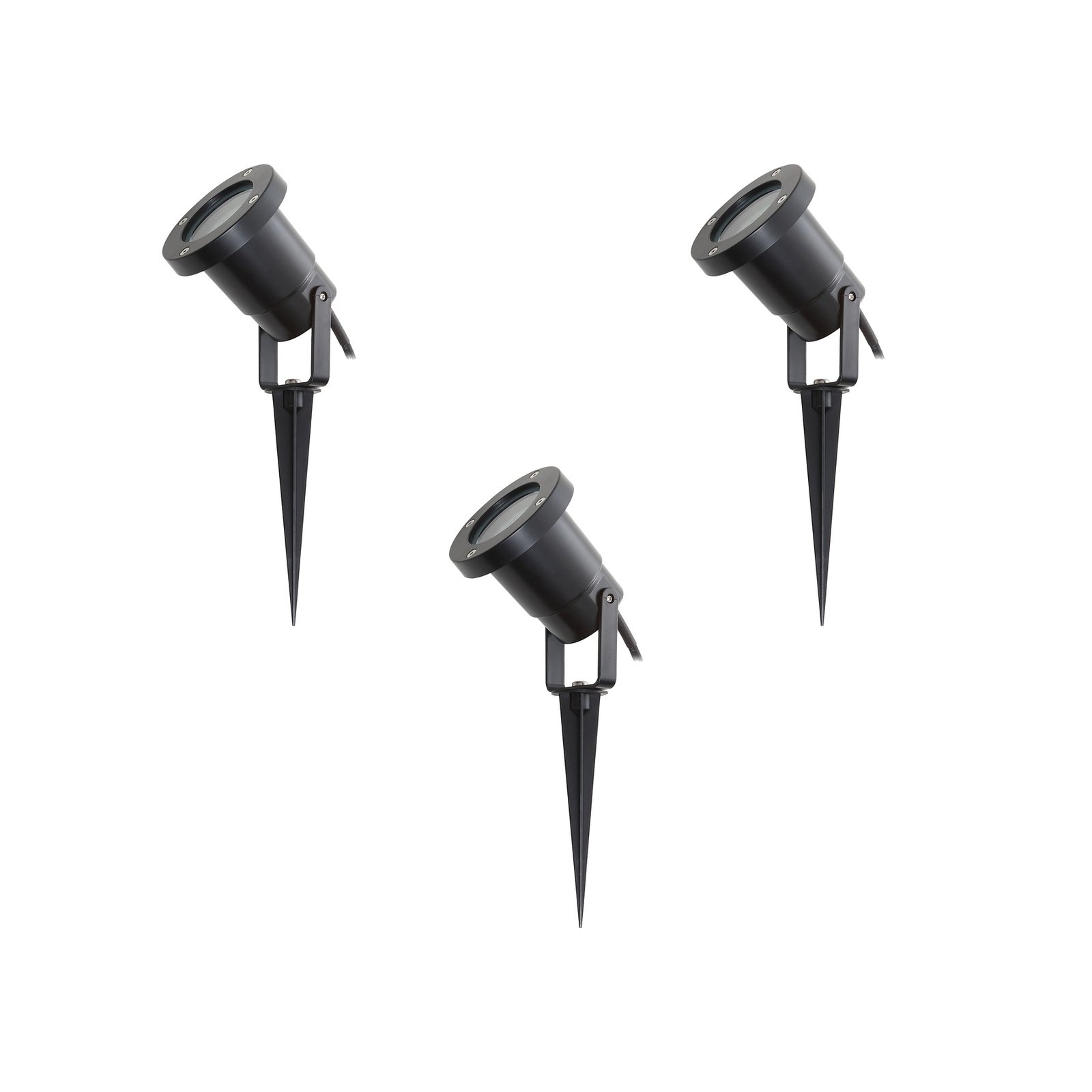
Ground spike spotlights create targeted points of light in the garden, on the patio or along flowerbeds without the lighting being tied to a specific location. They are particularly suitable for outdoor areas that change over the course of the season but still need to remain clearly structured. The ground spike makes it easy to position and realign the lights in the ground. In this way, plants, walls, paths or transitions emerge precisely where the outdoor space should retain structure and visual guidance in the evening.
Ground spike spotlights as a quiet light source between flower beds, lawns and patios
In the garden, they look particularly impressive when they do not illuminate the entire area, but instead set specific focal points. A narrow cone of light emphasizes the height of grasses or the contour of a trunk. A wider light outlet frames low plantings, a stone wall or the edge of a terrace as a continuous zone. This does not create a flat background light, but rather a staggering of foreground, intermediate space and background.
Garden spotlights with ground spike are particularly suitable for areas where there is already structure during the day and this should not be lost in the evening. A solitary shrub, a flat natural stone wall or a bed with clear leaf markings gains presence when the light falls close to the ground. The organizing effect of directional light is particularly visible when materials, planting and pathways have been deliberately designed during the day and are only intended to stand out in the evening.
Ground spike spotlights for plants, small trees and selected garden structures
Such spotlights are particularly suitable for garden areas where individual elements need to be highlighted. These include ornamental grasses, perennials, smaller shrubs, solitary plants or low trees whose structure should remain visible in the evening. Flat natural stone walls, potted plants, stair edges or selected details near the patio can also be precisely emphasized with this type of luminaire.
In contrast to wide-area lighting, this does not create uniform ambient light, but a deliberate weighting of individual areas. Especially in gardens with plantings of different densities or clearly structured transitions, ground spike spotlights show their strength because they provide light where contour, depth and materiality should not be lost in the evening.
Flexible positioning of ground spike lights and precise structuring of the outdoor space
The strength of ground spike lights lies in their mobility. They can be placed along the edge of a bed, moved between loose plantings or placed at the transition from patio to garden without the structure appearing heavy or permanent. In contrast to permanently installed luminaires, they react more easily to seasonal changes. When perennials grow taller, a tub is moved or a new seating area is created, the light can go with it. This is precisely where their design flexibility lies.
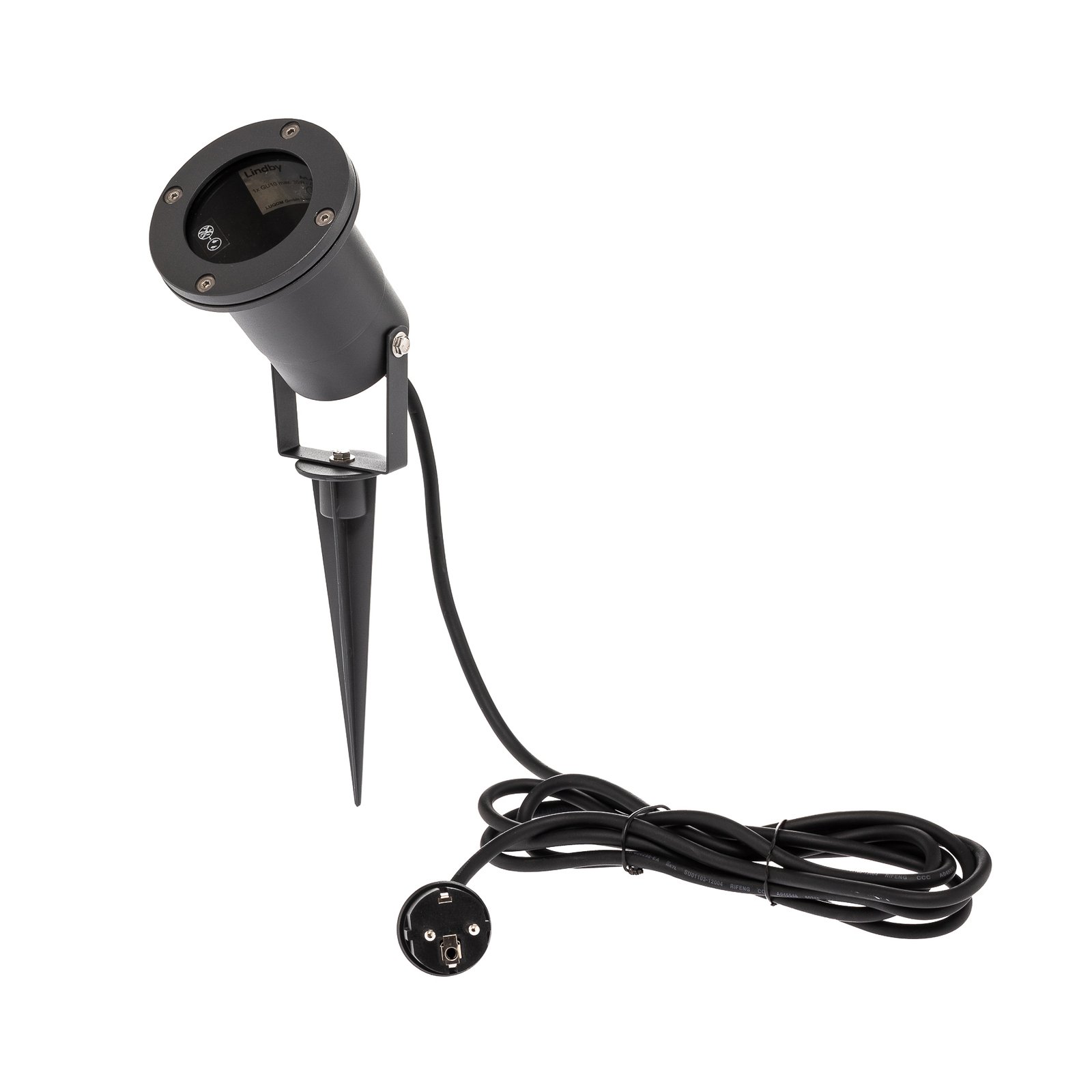
The installation also follows the principle of flexible placement.They do not require a rigid lighting arrangement, but allow installation that adapts to the outdoor space. They can be positioned in different ways in soft ground, in gravel or next to a wooden surface, but their effect can only be controlled if the distance to the object, the height of the light emission and the direction of the luminaire head are chosen deliberately. The result is not random lighting, but a clear structure of bed edges, recreational areas and transitions.
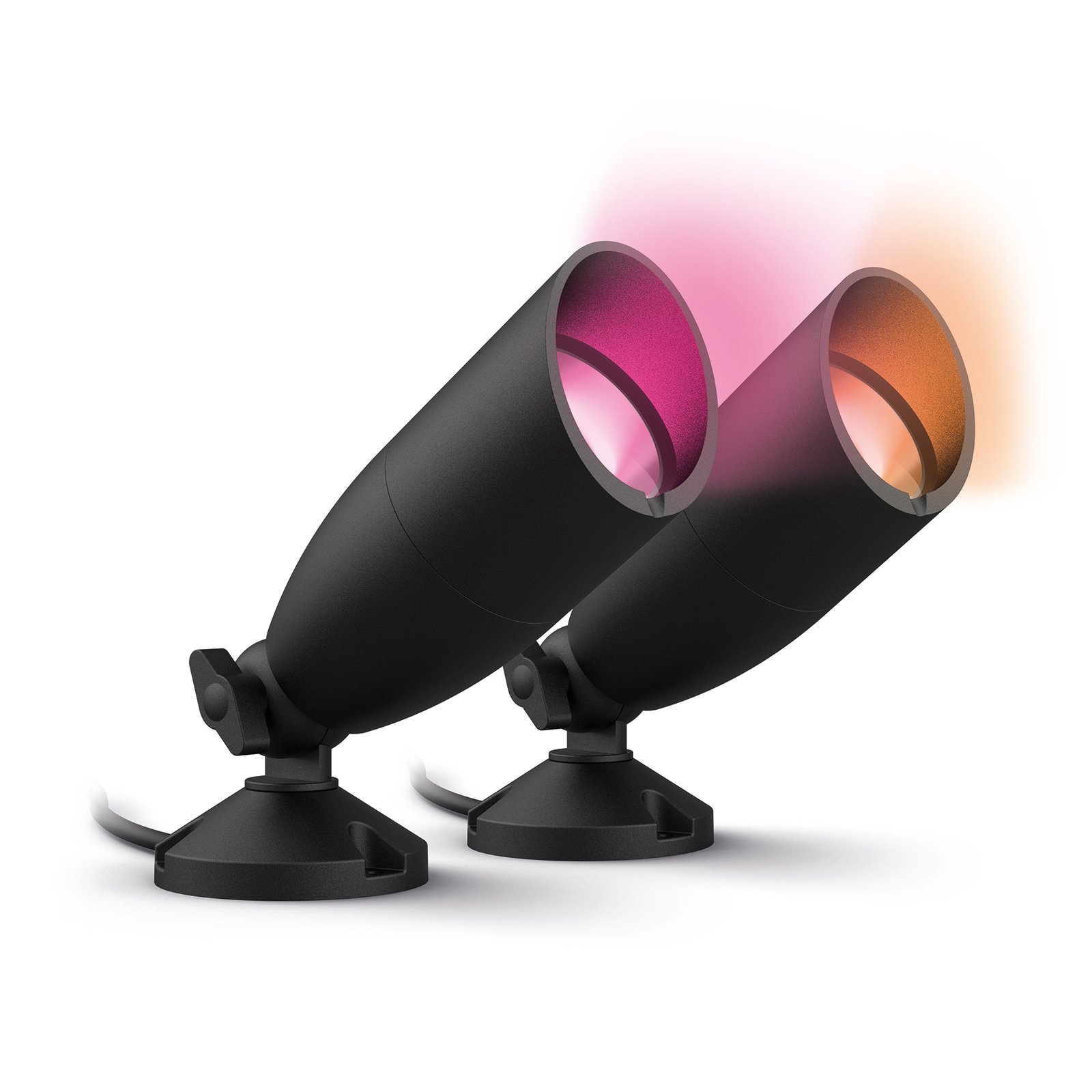
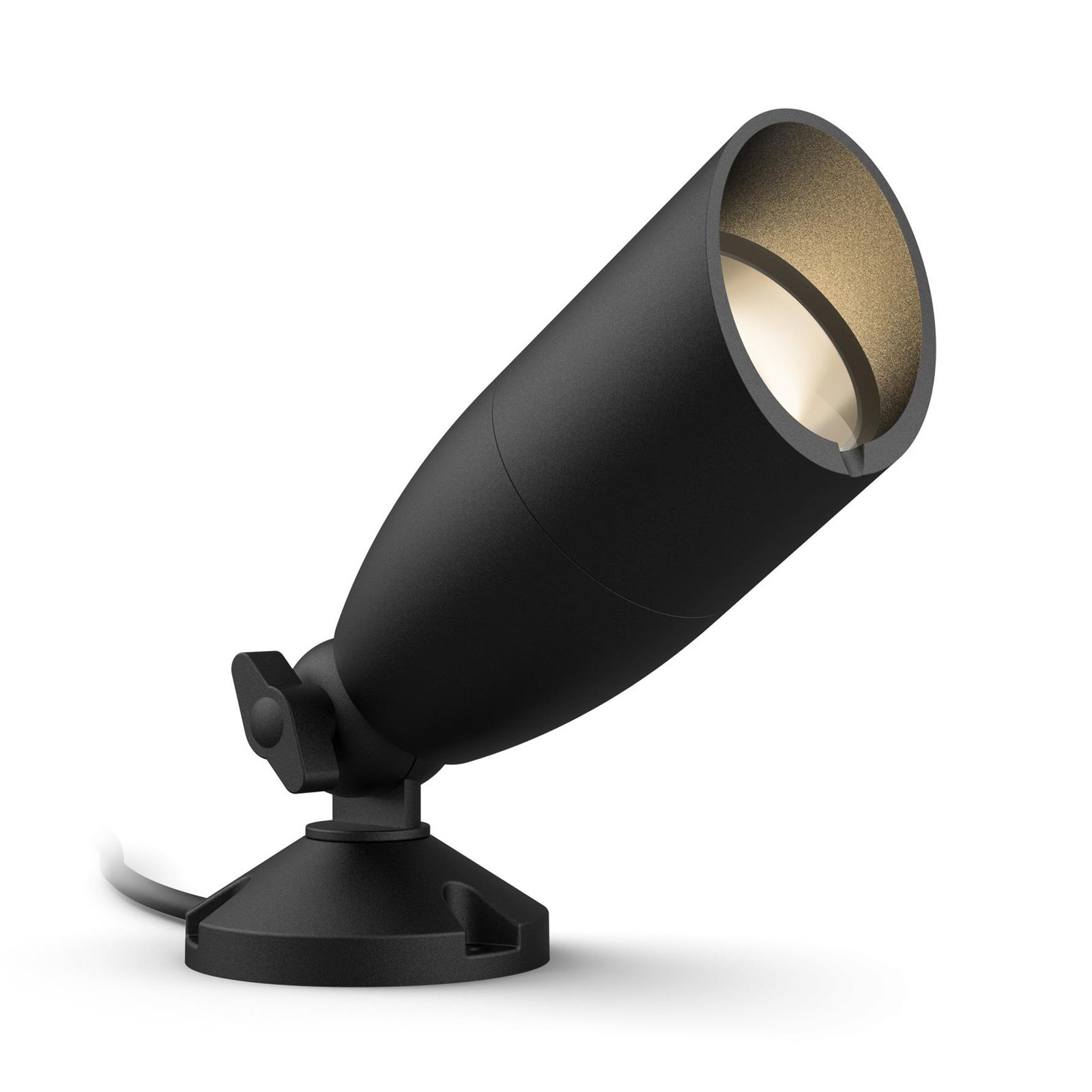
LED ground spike spotlight with swivel head and controlled light pattern
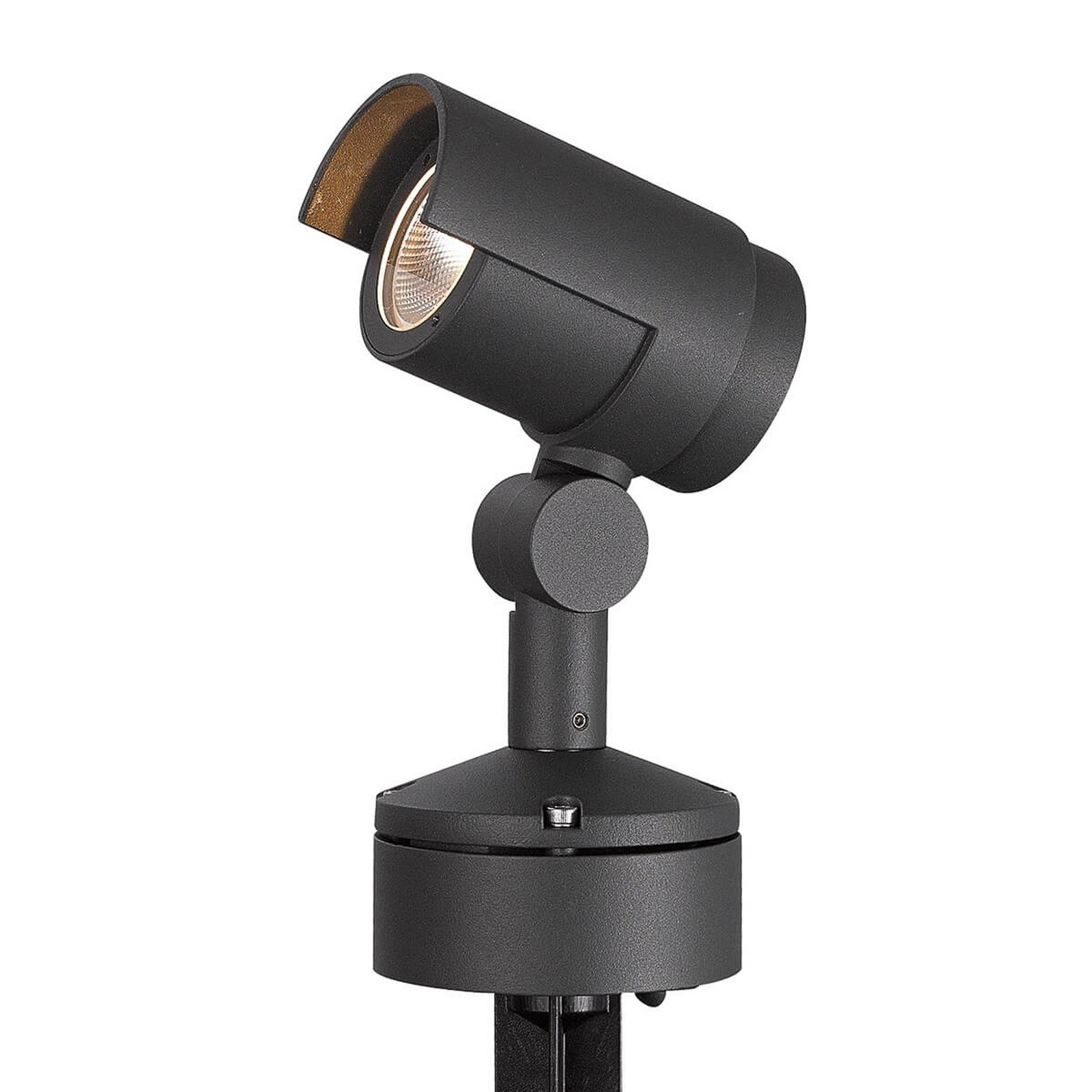
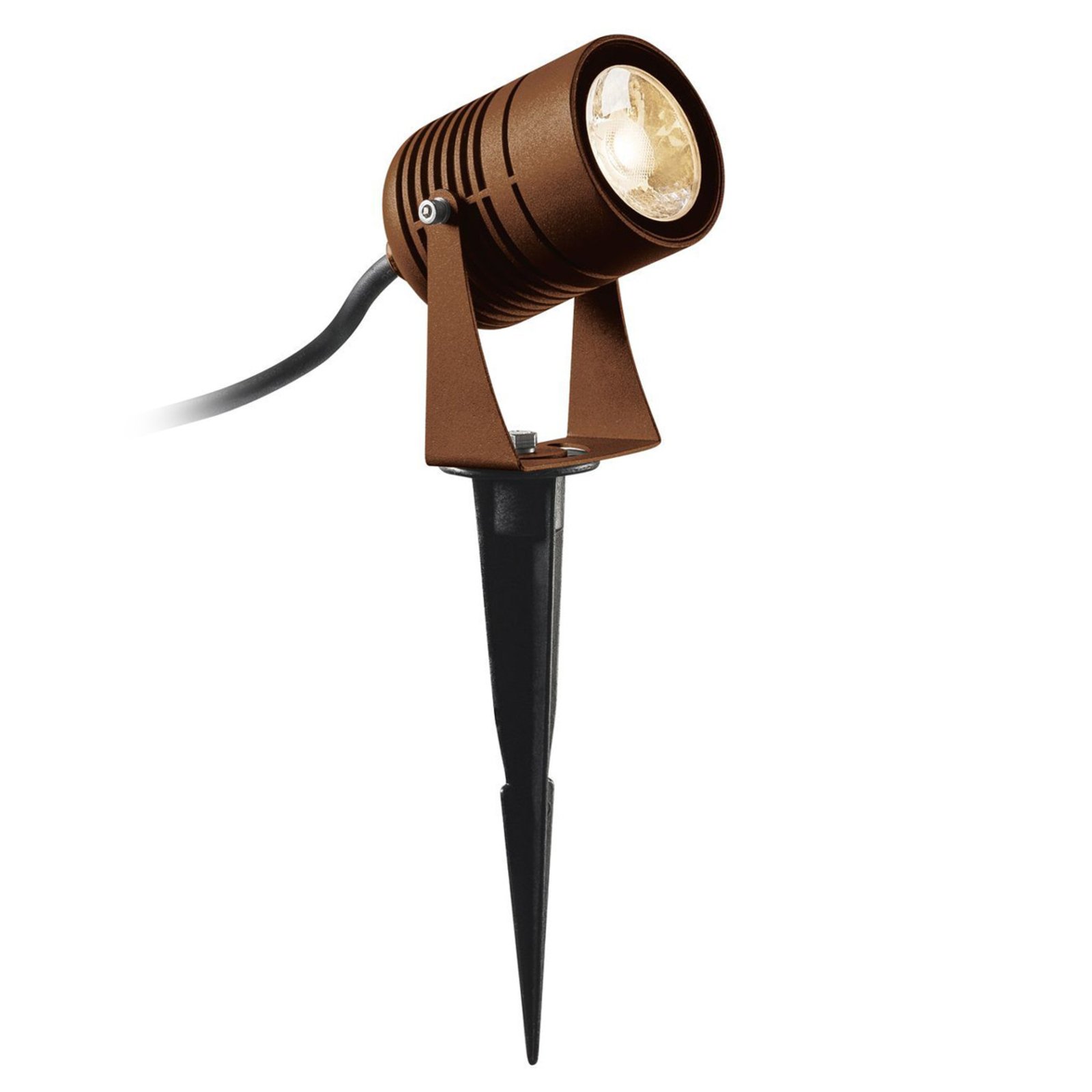
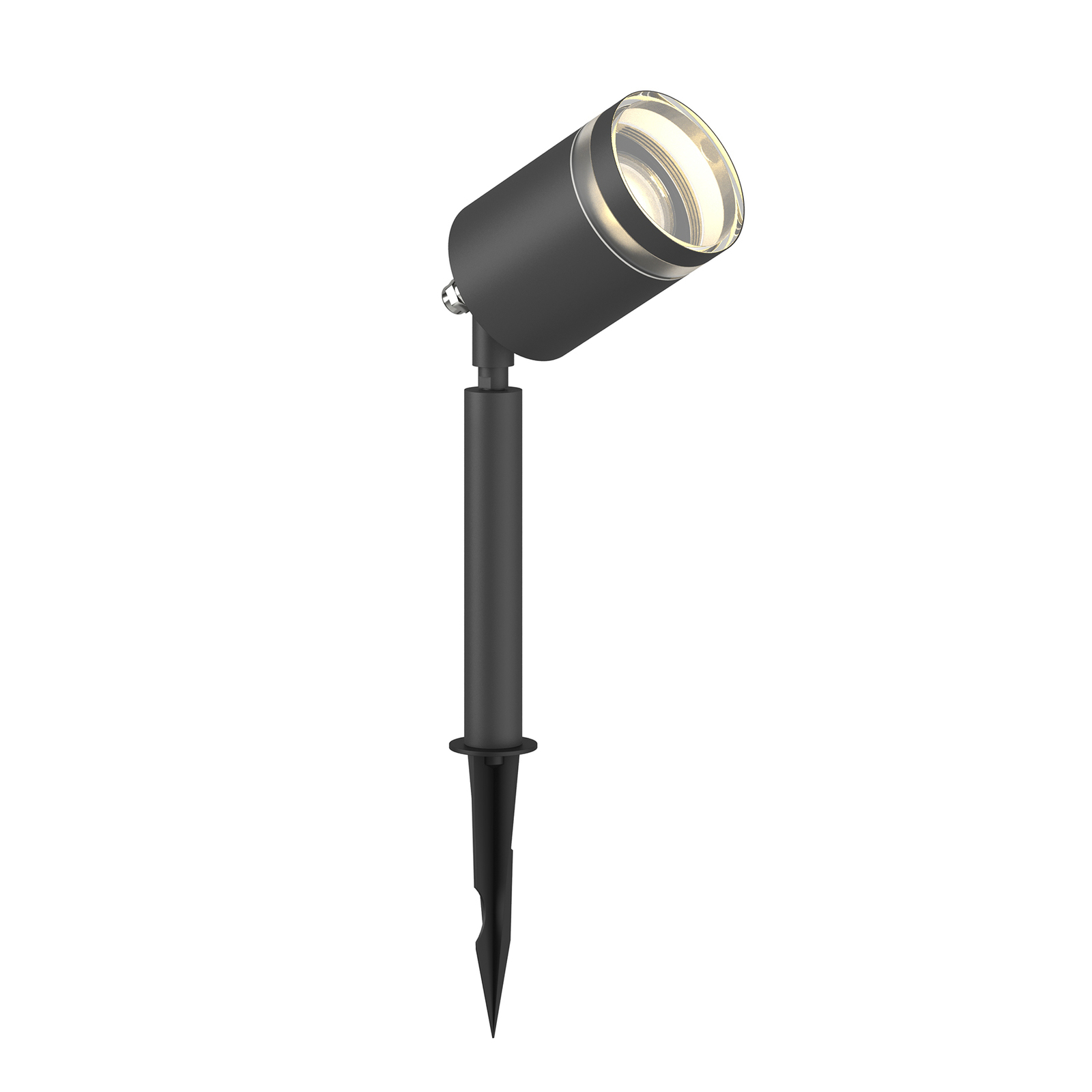
They look particularly clear when the technology remains in the background and the light image is in the foreground. A swivel head helps to make leaf structures, wooden surfaces or the grain of stone visible in a targeted manner instead of distributing light widely across the outdoor area. A narrow beam angle sets precise accents on plants and edges. A wider light emission combines smaller groups of plants or low areas into a coherent unit.Models with LEDs are particularly visually restrained when the housing and light emission are clearly proportioned.
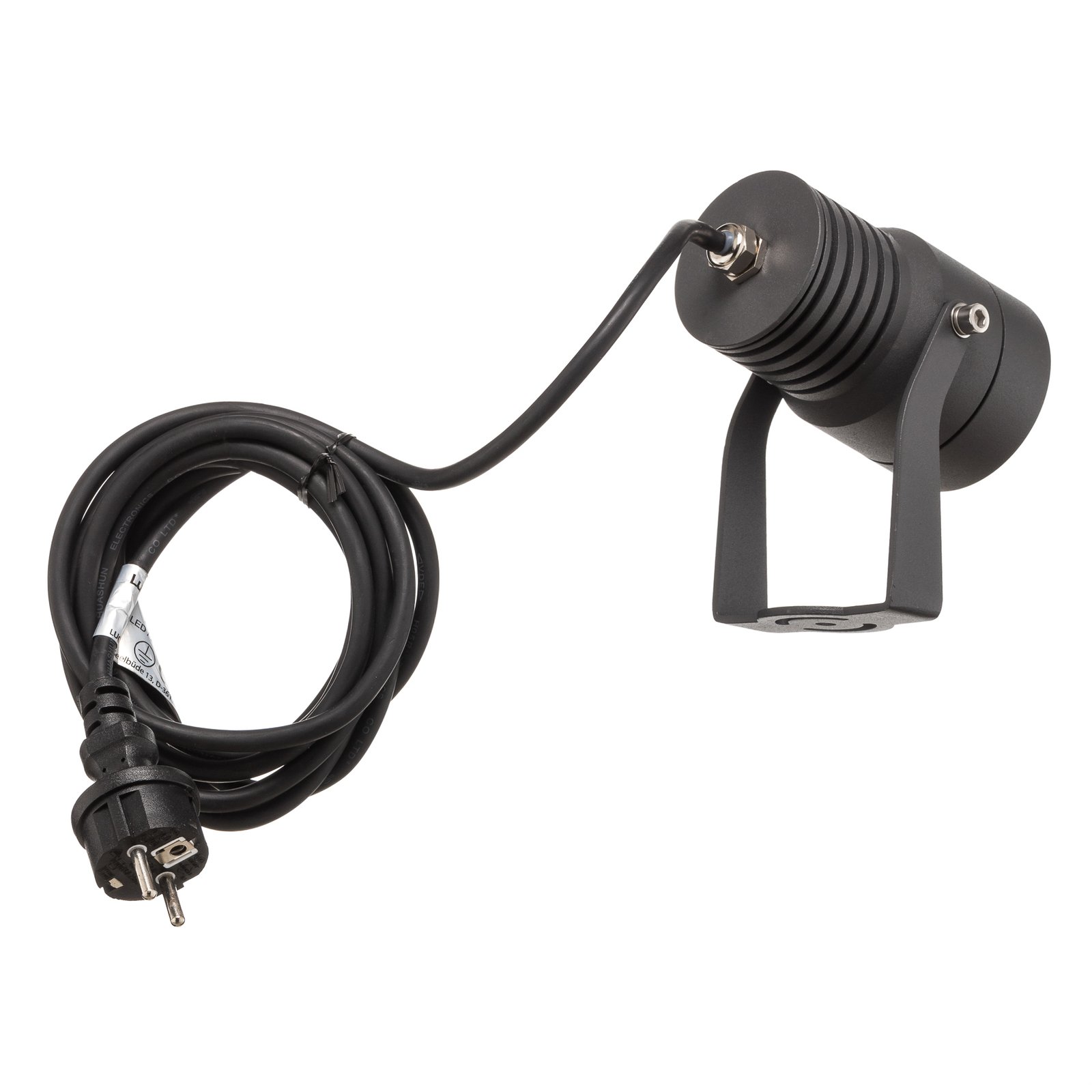
Additional functions are useful if they are used for lighting design. A dimmable version allows finer transitions between the light patio and the darker garden edge. The appropriate IP protection class depends on the location, weather conditions and proximity to open or unprotected areas. Product-specific information on the swivel range, light emission and protection rating is more helpful than general technical promises when making a selection. The decisive factor remains how controlled the light hits the ground, leaf and surface.
Spotlight with ground spike in combination with other outdoor lights
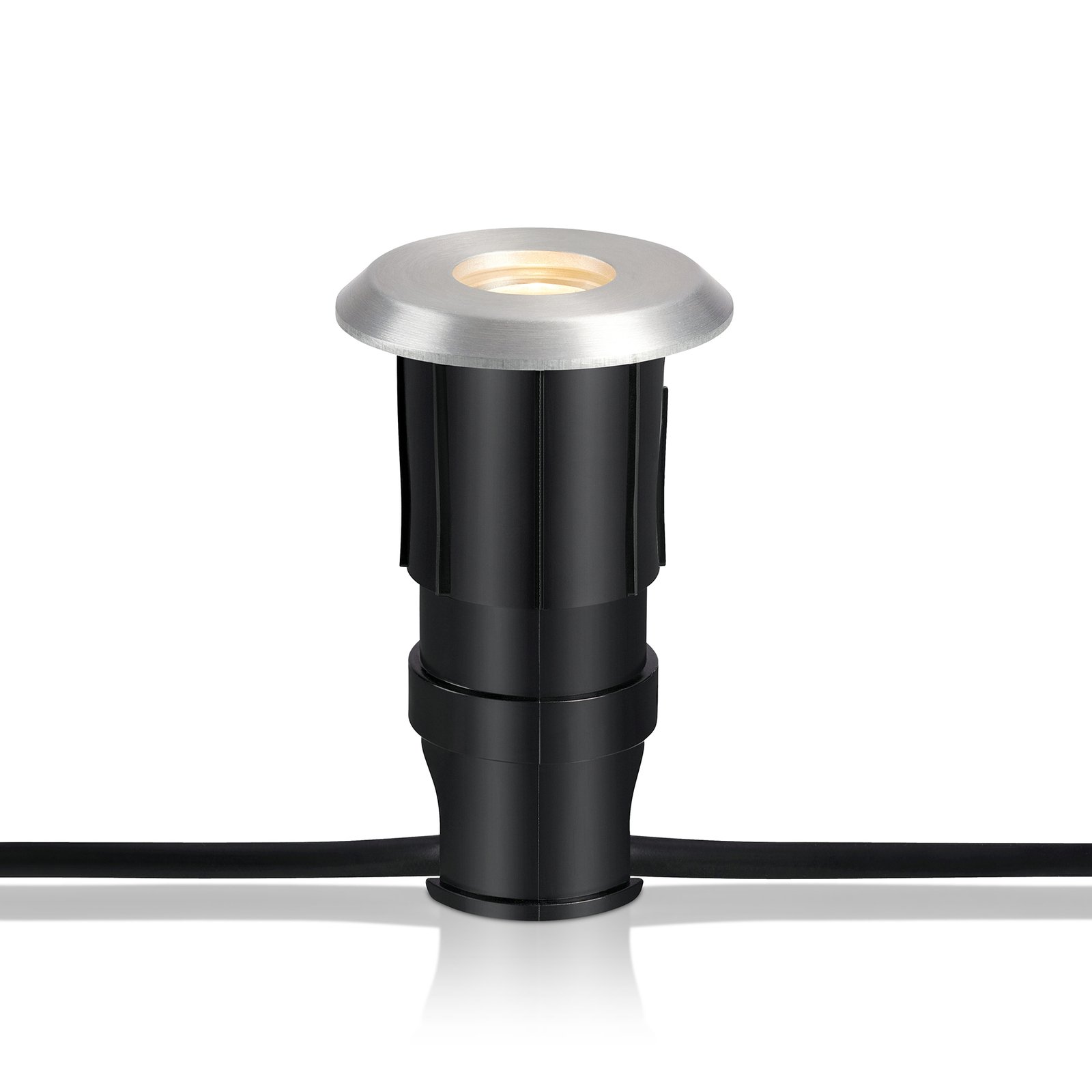
These spotlights complement path lights and in-ground spotlights to create directional accents in the outdoor space. Path luminaires provide linear orientation.Recessed floor spotlights mark fixed edges on flooring or architecture.A flexibly positioned spotlight, on the other hand, creates vertical accents in plantings, on low walls or in places that would remain in the background without directional light. This means that the luminaire types perform clearly separate tasks and the lighting arrangement remains clear.
For larger terraces or longer garden axes in particular, this division creates a clearer orientation and a more distinct depth gradation. A path light runs along the surface, a ground-recessed spotlight marks fixed lines, and a spotlight with a ground spike highlights selected points in the garden. Even a single luminaire can suffice in this structure if it is deliberately placed. The decisive factor is not the number of luminaires, but how precisely each luminaire contributes to the spatial effect.
© 2026 Lampemesteren GmbH