- Authorised retailer
- 100+ designer brands
- Professional customer service

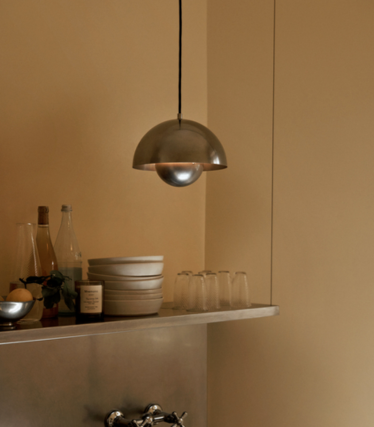
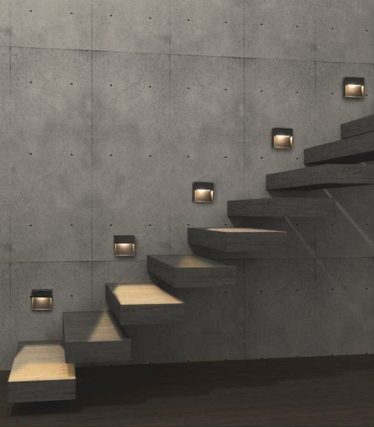
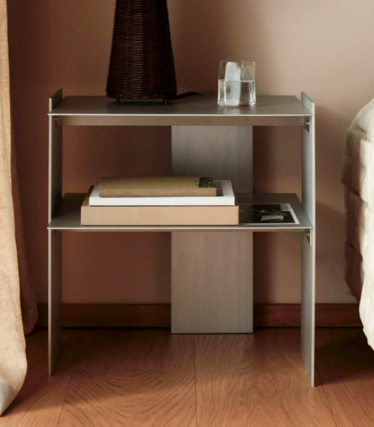
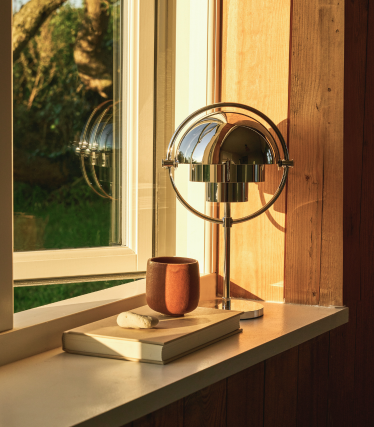
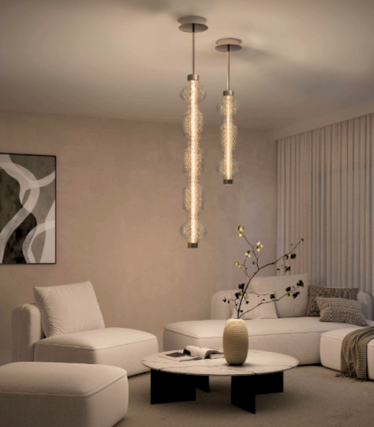
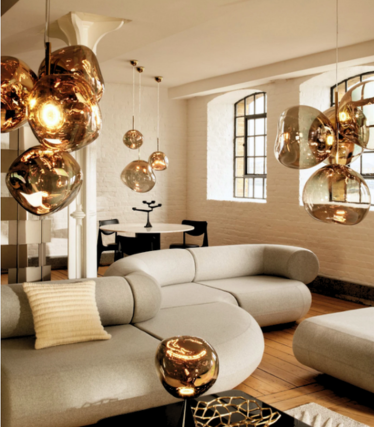
Share your pictures with @lampemesteren
Inspire and let yourself be inspired, from one unique home to another. Tag your pictures with #yesLampemesteren and you might see your home here!
Patio heaters: warmth for long evenings outdoors
When the evening slowly gets cooler, the time on the terrace doesn't have to come to an end. A patio heater provides pleasant warmth and can also help to design the terrace as an additional living area. A sleek floor model next to the lounge looks different from a discreetly mounted heater under a roof. Therefore, besides the warmth, placement, proportions, and design are crucial when making a choice. Materials, colors, and casing shapes determine how seamlessly the heater fits into the furniture, textiles, and architecture of the outdoor area. This creates a place where you like to stay a little longer on cooler evenings.
Select Patio Heaters by Size and Seating Area
A patio heater should match the proportions of the respective seating area. A large standing model can quickly become dominant at a compact dining table, while a spacious lounge offers enough room for a visible patio heater. The model can certainly be part of the overall picture, such as a sleek design object next to the lounge sofa or a discreet heat source above the dining table. It is important that the size and placement harmonize with furniture, walkways, and coverings.
Models that require little floor space can be well integrated into clearly structured terraces. On larger terraces, however, a striking standing heater can be deliberately included in the seating area as a visible design object. Next to a sofa with soft cushions, a low table, and large plant containers, it can further emphasize the character of a cozy seating area. A more compact form is recommended where furniture, plants, and textiles already bring together many design elements. Depending on the design, the heater can either set a deliberate accent or integrate more quietly into the overall picture.
Infrared Heaters: Warmth Meets Modern Design
An infrared heater provides warmth specifically targeted to the directed area. Especially when temperatures drop, a pleasantly warm area is created around the dining table or lounge, where you like to linger longer. On the terrace and balcony, the model should therefore be specifically aligned to the respective seating area. A well-placed infrared heater can be aligned with the use of the outdoor area without its technical function having to dominate the space visually.
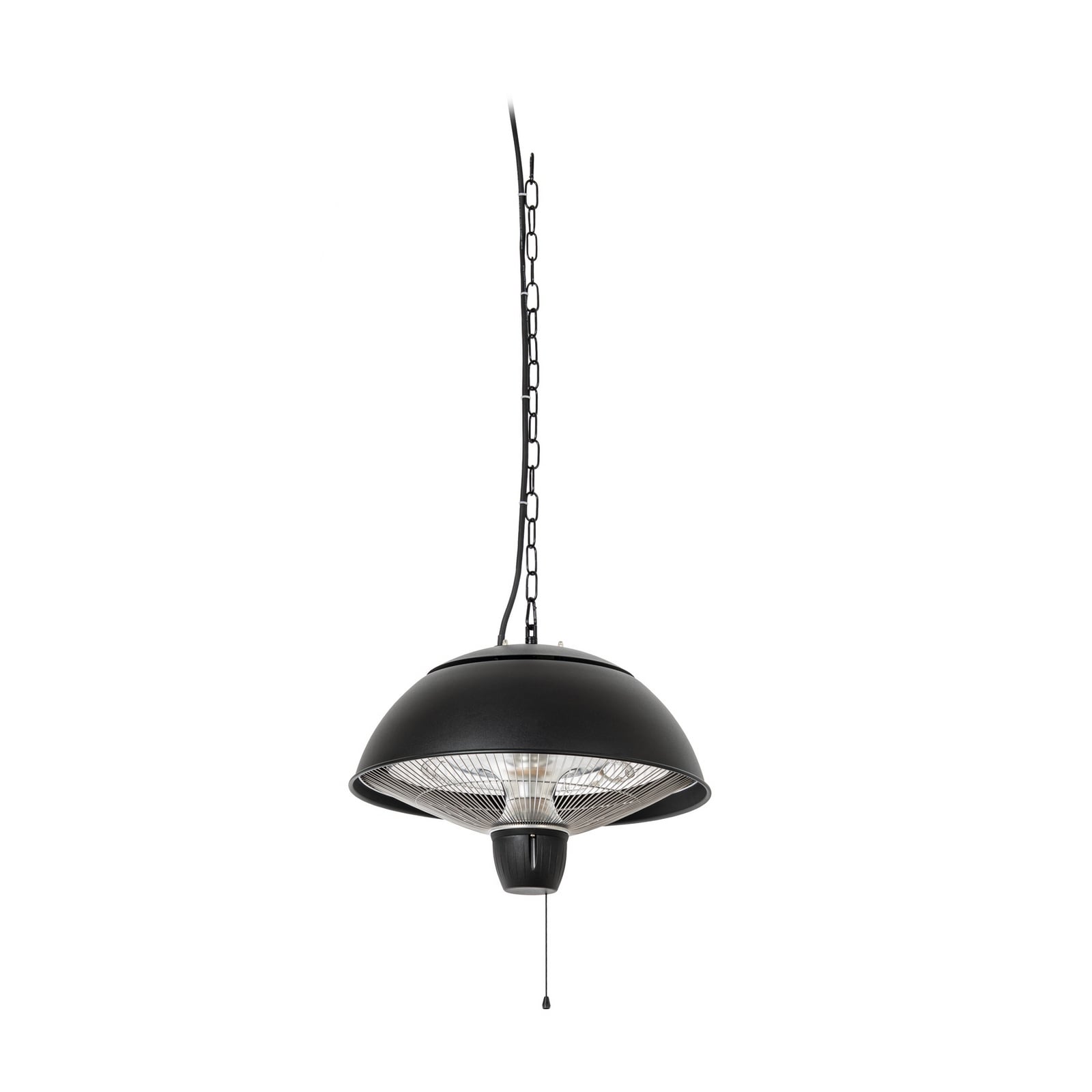
The housing shape, color, and the visible heat source additionally influence the perception of the heater. Depending on the design, the heater can either come to the fore or be more subdued with a reduced housing. In a modern seating area, clear shapes and dark surfaces often go well with linear furniture and muted textiles. Light housings appear lighter in front of light facades or restrained furniture. Thus, a functional heat source becomes an element that shapes the atmosphere of the outdoor area without pushing itself into the foreground.
Hanging and Standing Heaters as Part of Terrace Design
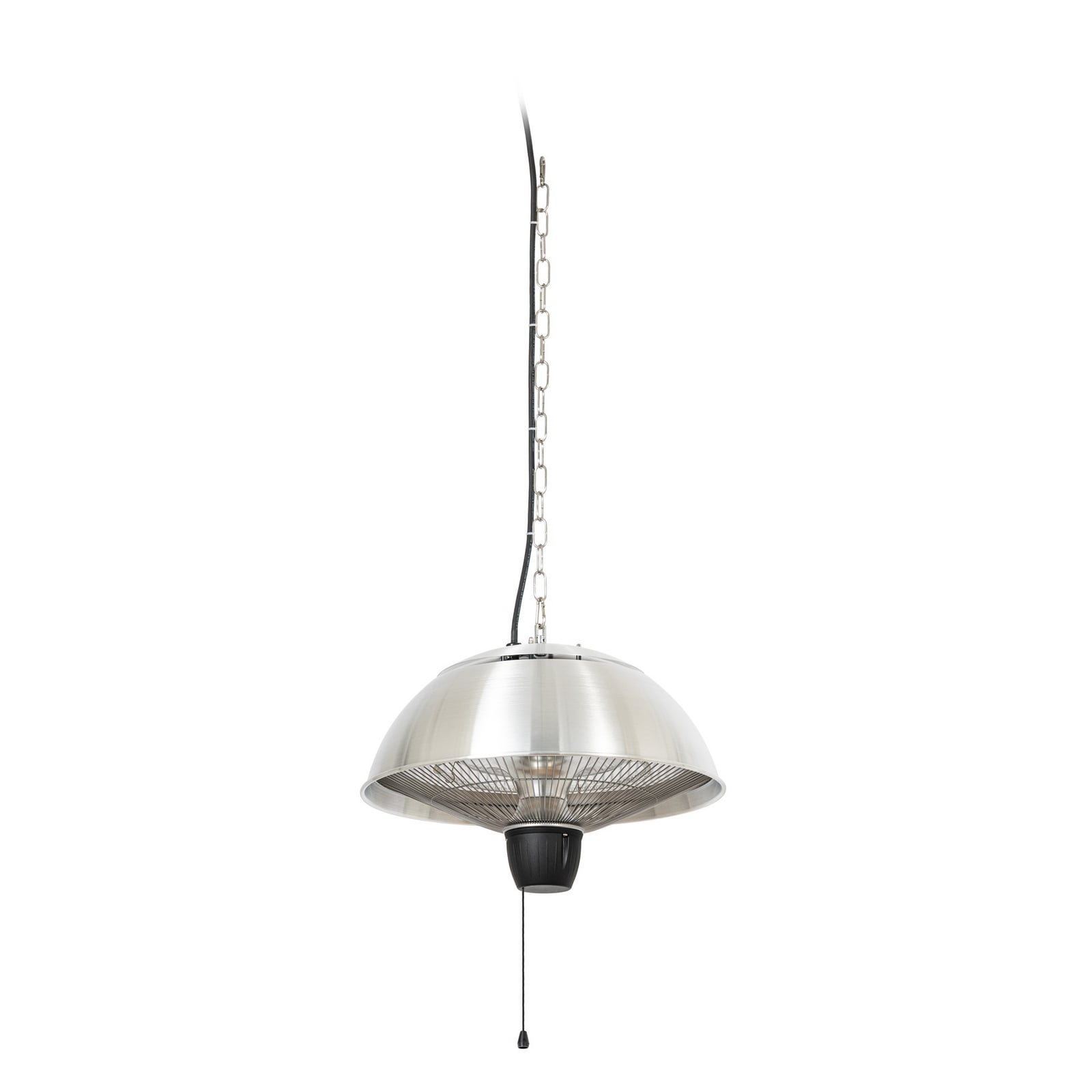
The installation method influences both the use and the visual presence of a heater. A hanging heater leaves floor space free and can simultaneously become a design element under a terrace canopy above the dining table or a seating group. This keeps the view of furniture, plants, and accessories free, while the heat from above provides a cozy atmosphere.
A standing heater, on the other hand, stands out more as a vertical element. Sleek models fit well next to sofas, armchairs, or larger plant containers, while more compact designs take up less space. Particularly with modern designs, the heater can consciously appear as part of the exterior decor. For smaller seating groups, a table heater can be a particularly homely solution. On or beside the table, it becomes part of the interior and brings warmth closer to the place where you like to stay. Mobile floor or table models can also be used flexibly where warmth is needed - for example, at changing seats in the garden or on a larger terrace. Which variant fits best not only depends on the desired warmth but also on how seamlessly the model should integrate into the design of the outdoor area.
Materials, Shapes, and Design in the Outdoor Area
The housing significantly influences how a heater is perceived. Aluminum and steel, with smooth or matte surfaces, appear particularly reduced and can be well integrated into modern outdoor areas. Dark colors can be visually coordinated with window frames, metal furniture, or clear facade elements. Light tones appear more restrained against light walls and natural materials. Natural tones such as beige, sand, or brown harmonize particularly well with wood, natural textiles, and light upholstery, emphasizing a calm, homely terrace style.
The shape also changes the effect. Slim, straight models match Scandinavian-reduced outdoor areas, while more prominent metal shapes can suit an industrial style. Light wood, cream-colored upholstery, natural textiles, and a slender heater in a calm color create a harmonious Scandi-Natural-Chic - ideal for a terrace that feels like a second living room. In a Boho-oriented lounge with wood, woven furniture, and textiles, the heater can also consciously become part of the design. Models with a distinctive shape or warm natural tones can capture the character of the seating area and act as an independent design object. More restrained variants, on the other hand, allow the materials and colors of the environment to come to the forefront.
Stylishly Integrate Heaters for Balcony, Garden, and Winter Garden
A heater for the balcony imposes different design requirements than a model for a spacious terrace. On limited space, compact shapes and a space-saving solution are particularly relevant. A compact table model requires little space, while a hanging heater leaves the floor space completely free. Both variants can bring warmth targeted to the seating area. Even on a few square meters, there remains space for a cozy table, a chair, or a small lounge, and for evenings that last a little longer outdoors despite cooler temperatures.
In the garden, a heater often has more space available. Standing models can be well integrated into spacious seating areas on the larger surface. Next to a generous sofa landscape, a terrace carpet, and warm textiles, a modern standing model can further support the homely character of the area. Different spatial conditions apply again in the winter garden, as architecture, glazing, and furnishing are more reminiscent of an interior. A restrained housing can integrate into lights, furniture, and other fixed elements. When choosing, the design of the heater should be tailored to the respective location of use.
Weatherproof heaters are particularly important for open terraces and other unprotected outdoor areas. Their housing should be designed for outdoor use so that changing weather conditions can be taken into account when making a choice. In covered or more protected places, other requirements for the design of the heater can be prioritized. In this way, pleasant warmth and thoughtful design combine to create a homely place outdoors, where you also like to stay longer on cooler evenings.
© 2026 Lampemesteren GmbH